










How to use the tarot card library
Browse all 78 tarot cards, search for a card name or a word from its study notes, or filter by suit. Search and suit filters work together. If a card seems to be missing, clear the search or choose Reset filters to restore the full deck. Open Study notes for the card’s upright meaning, reversed meaning, image symbols, and a reflection question.
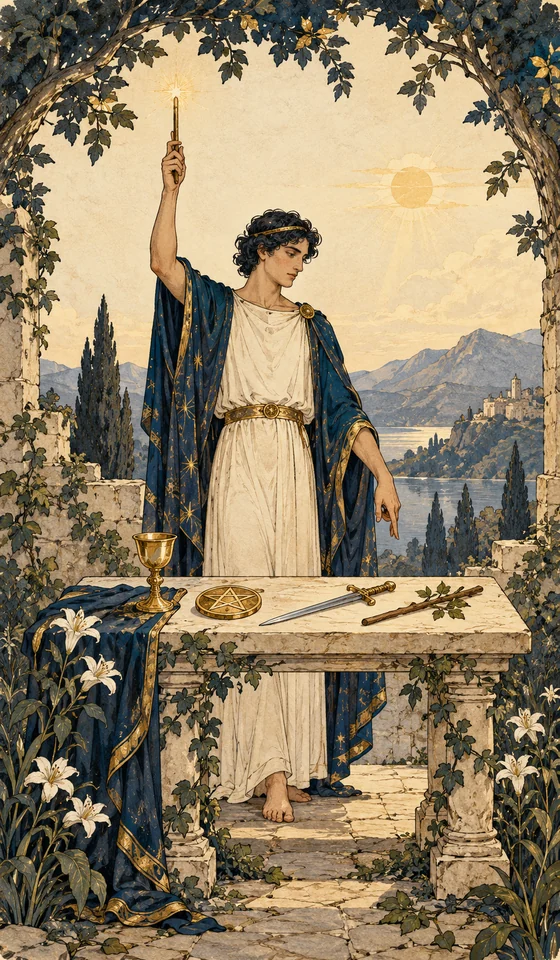
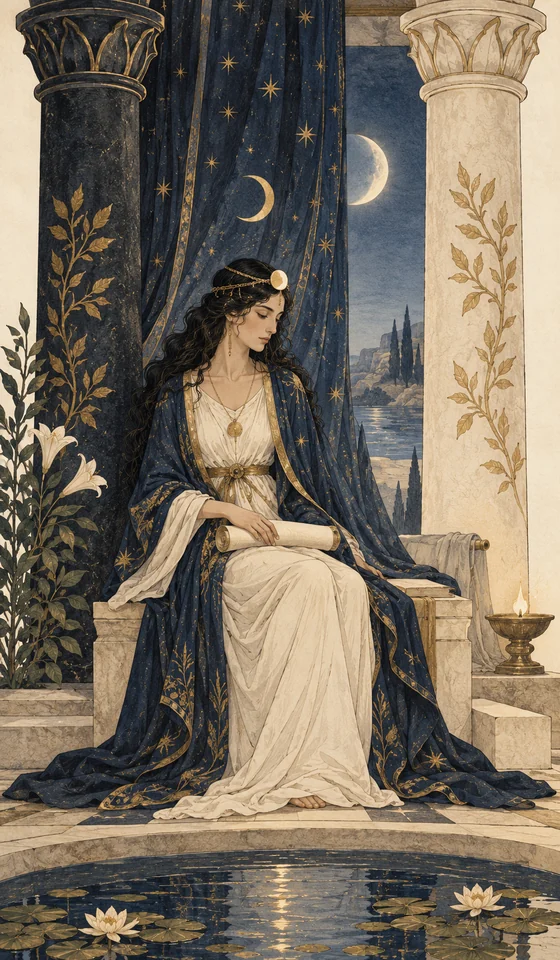
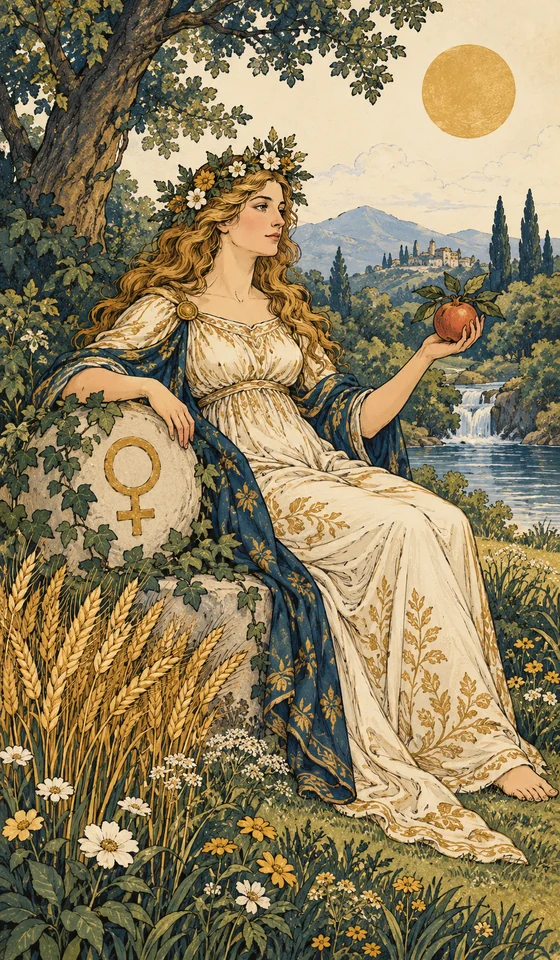
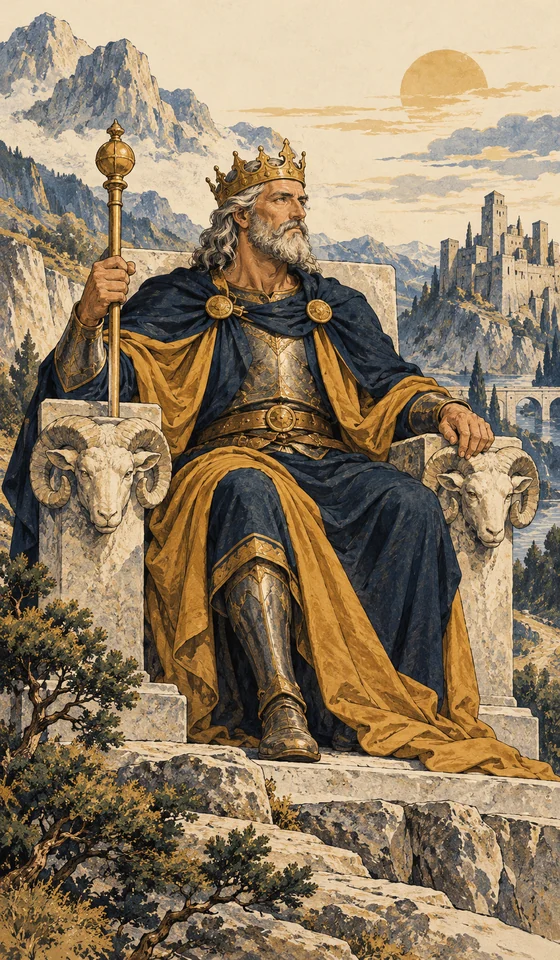
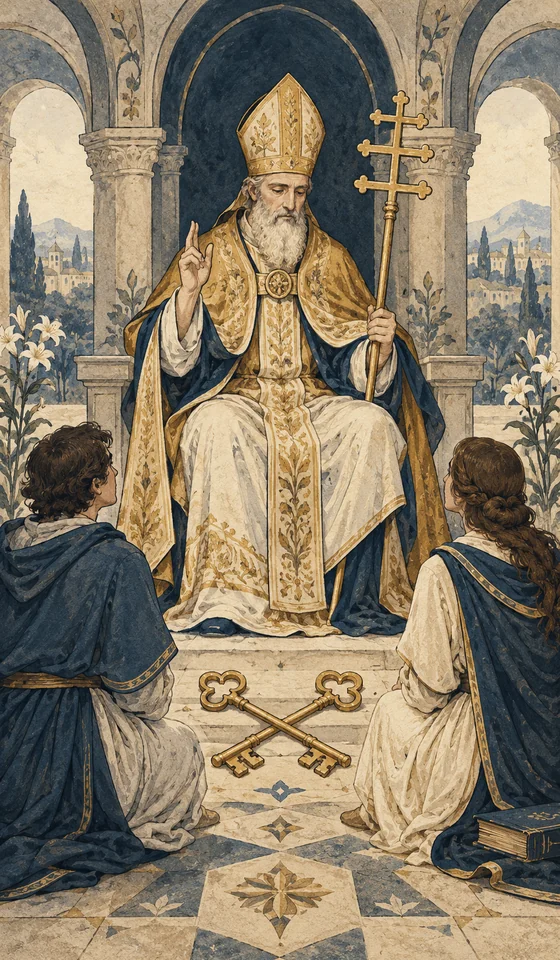
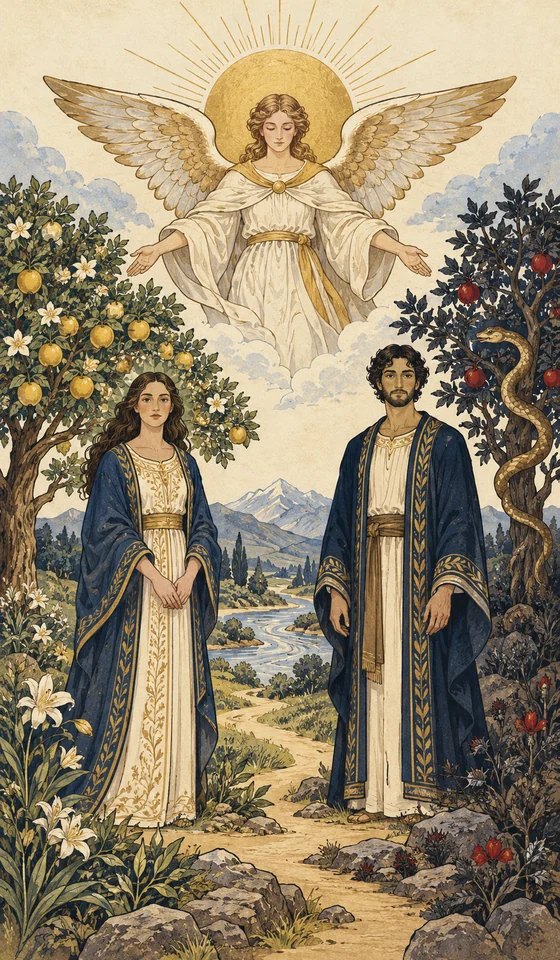
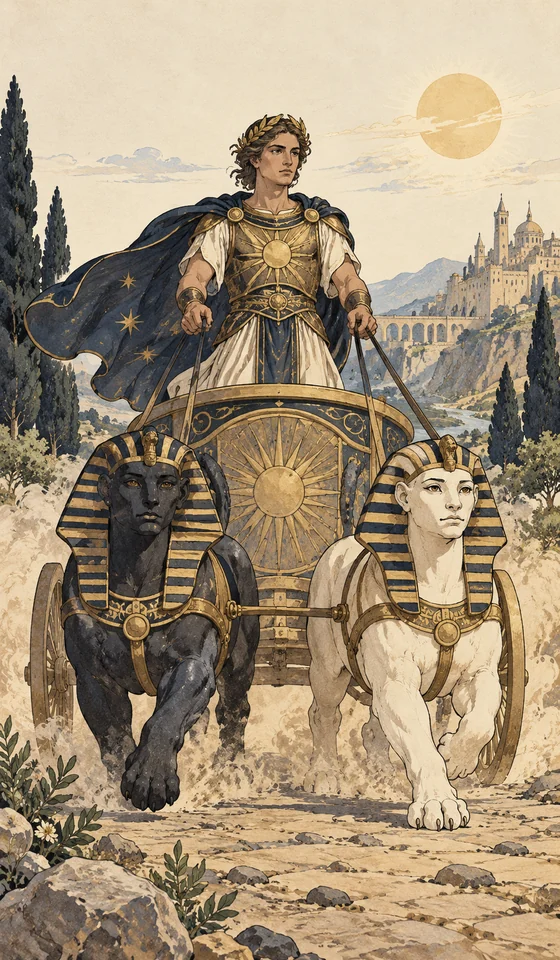
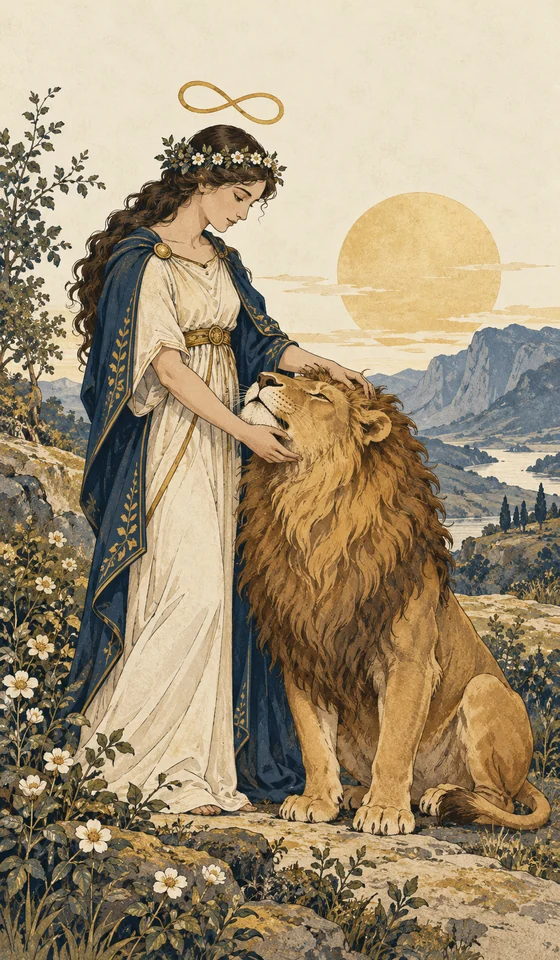
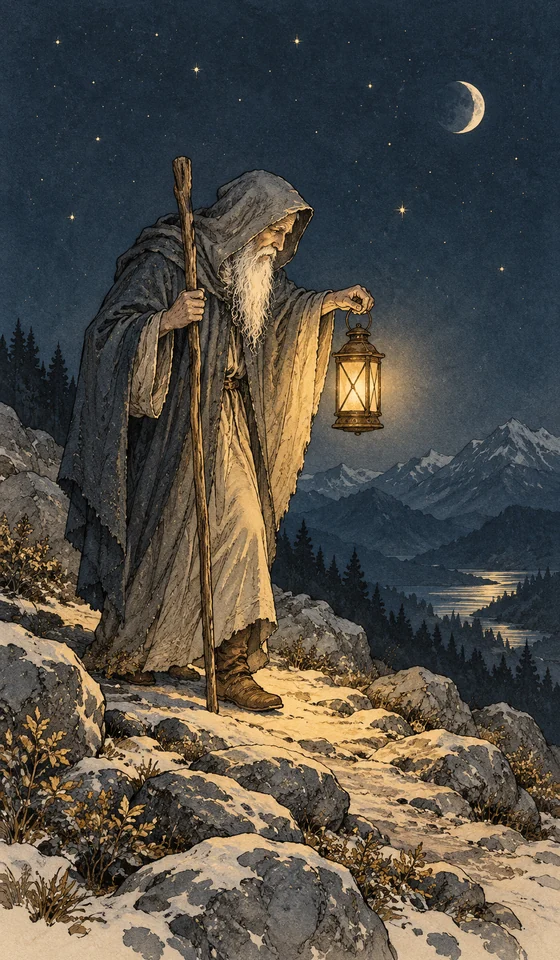
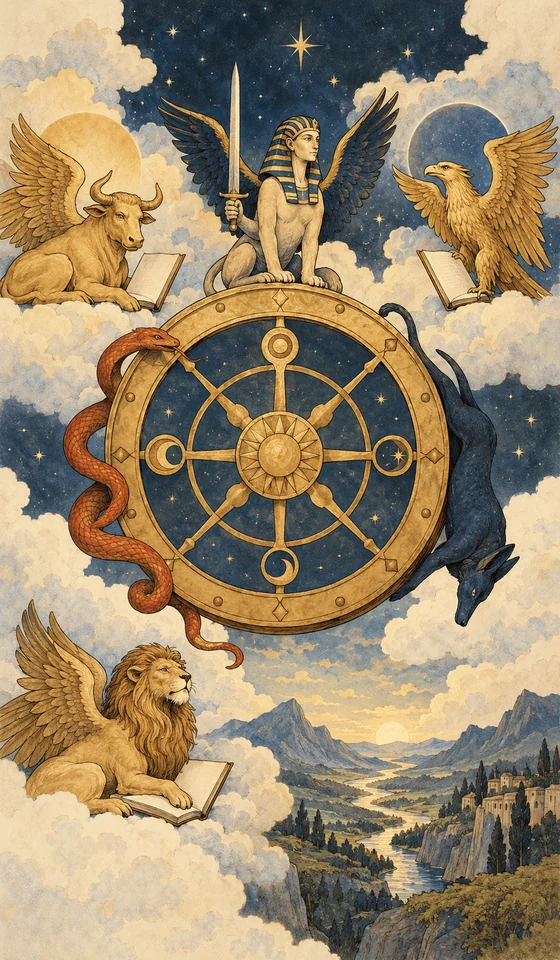
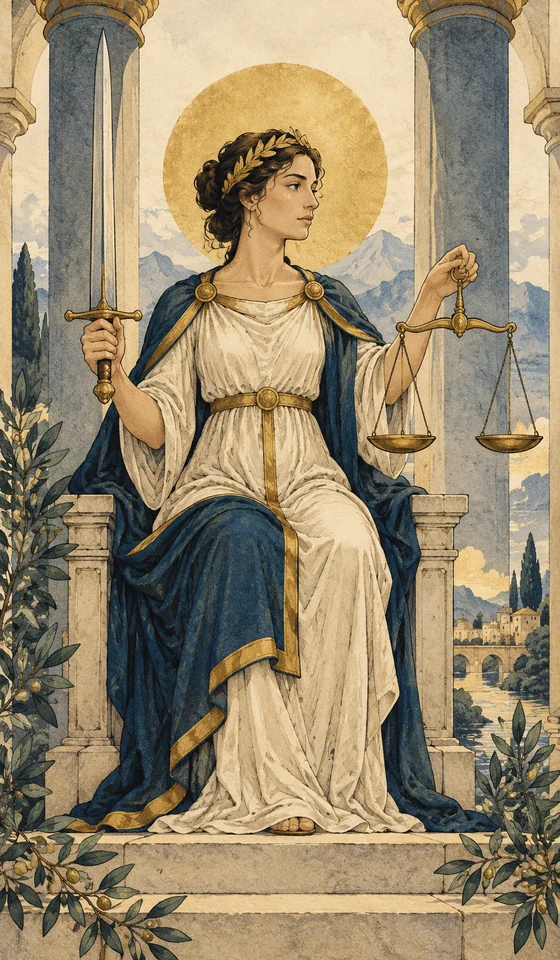
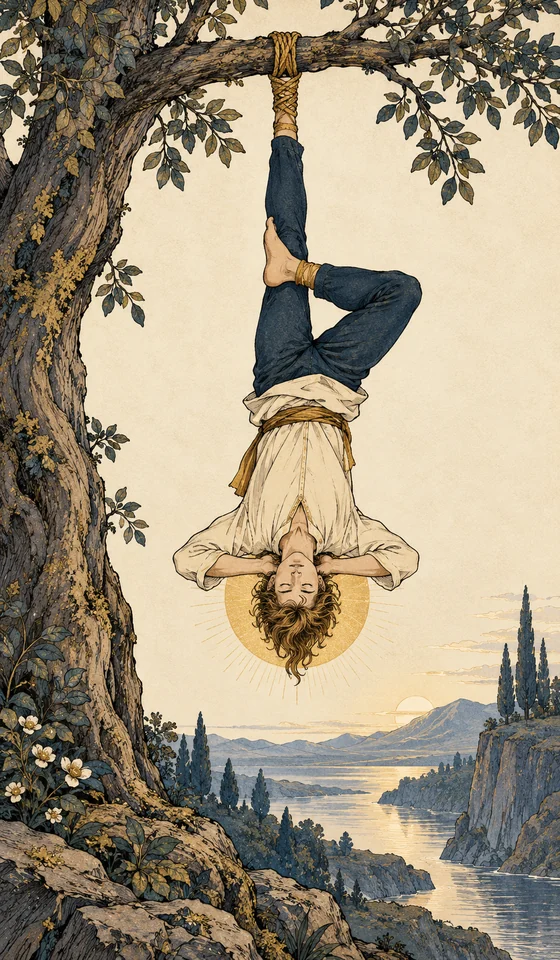
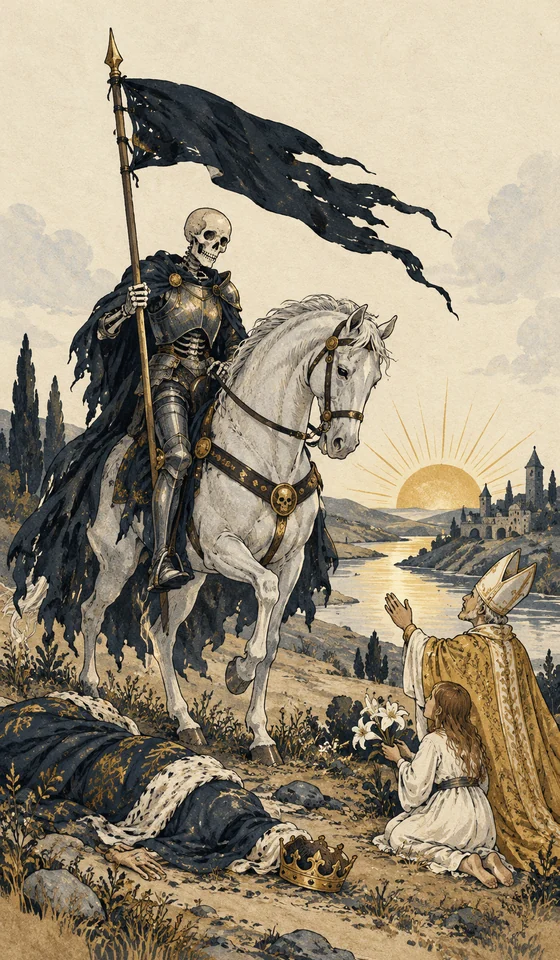
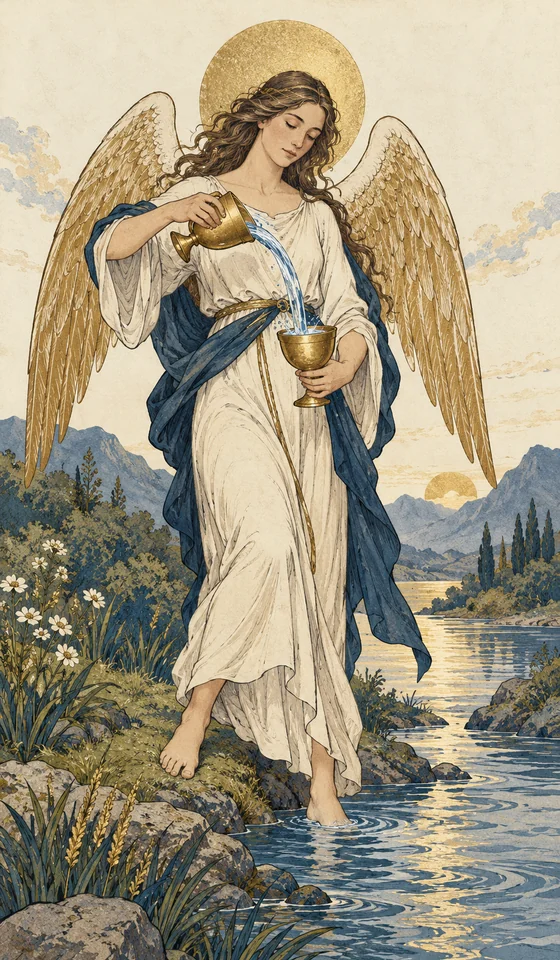
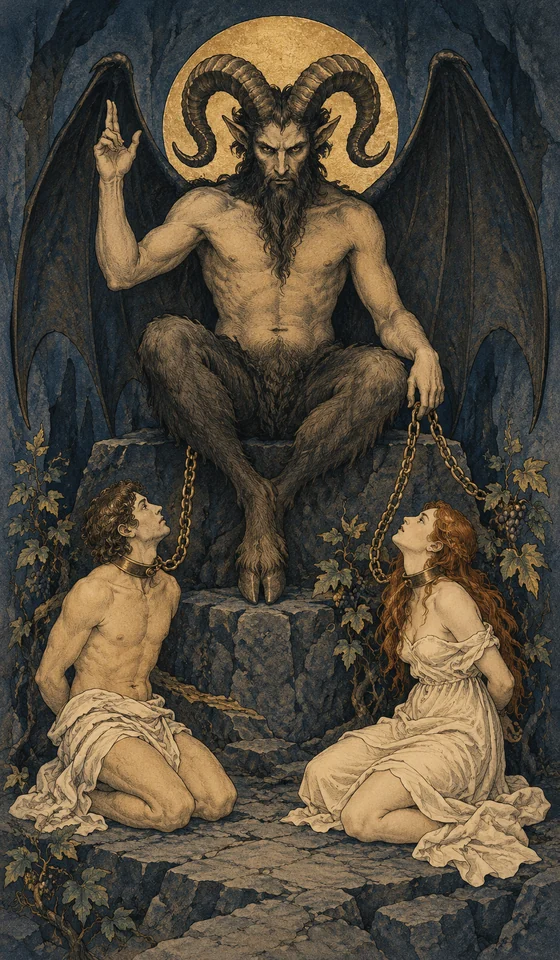
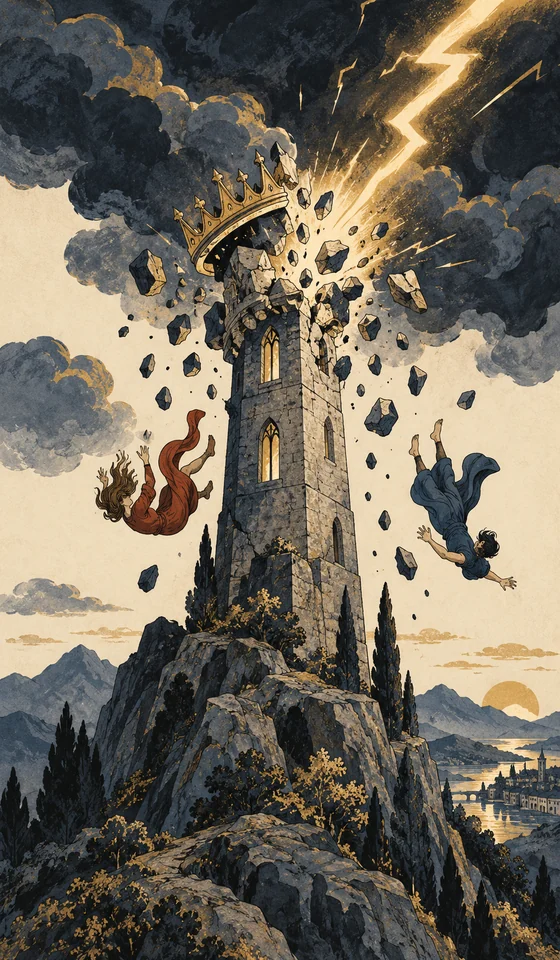
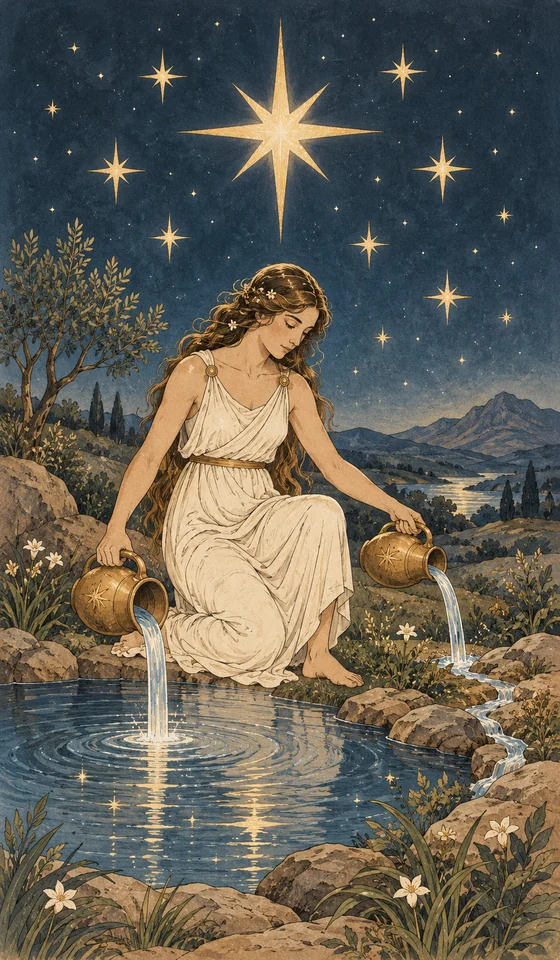
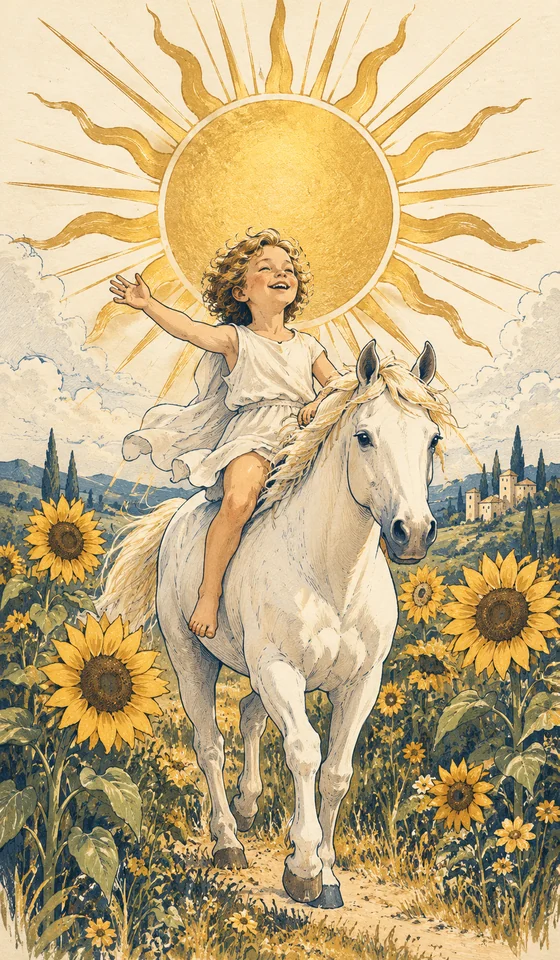
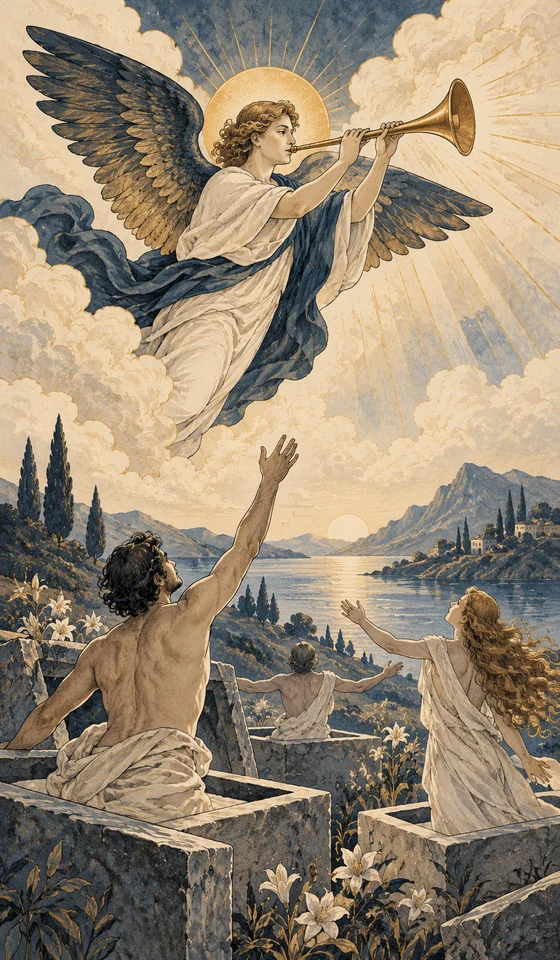
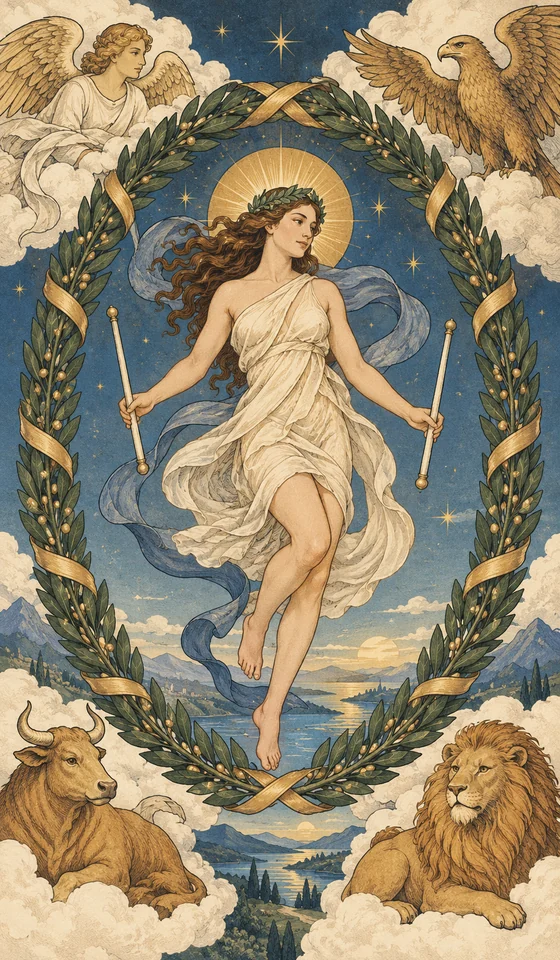
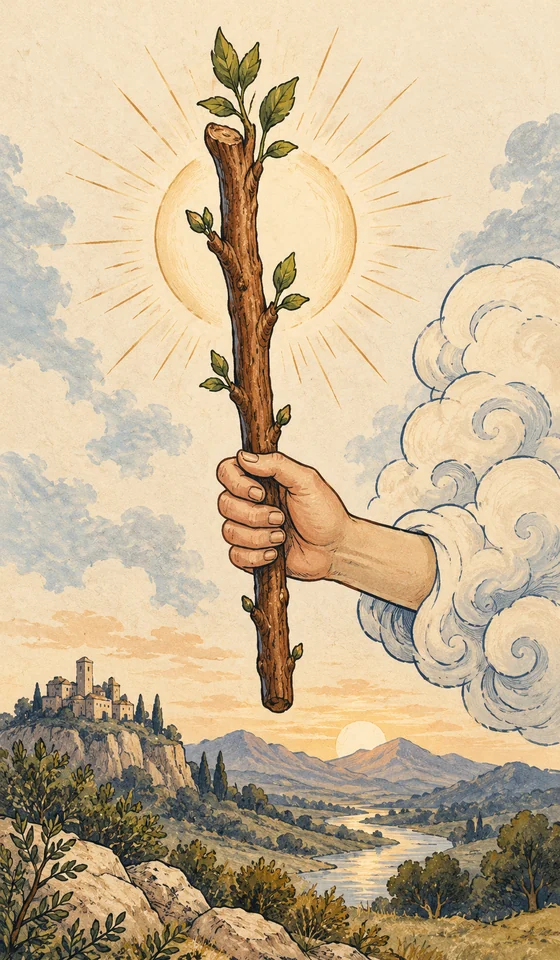
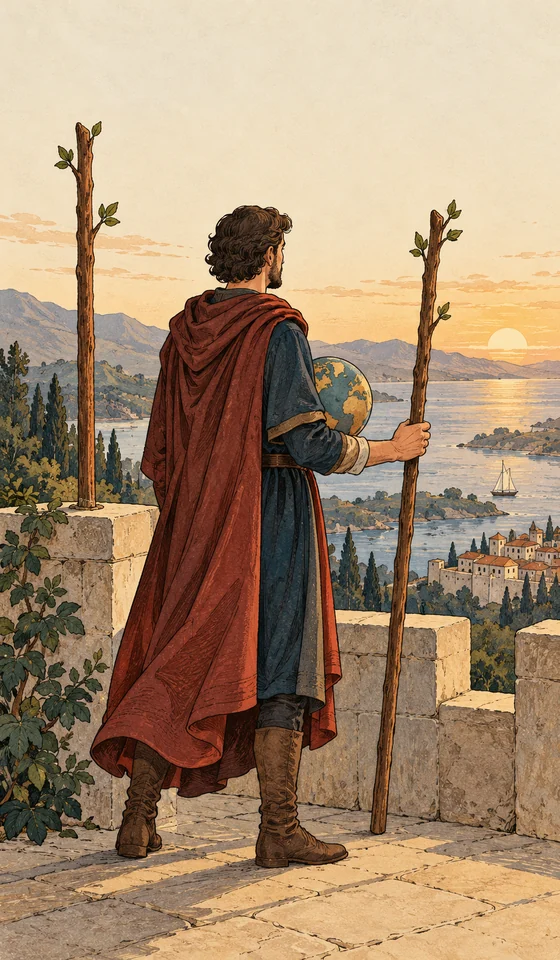
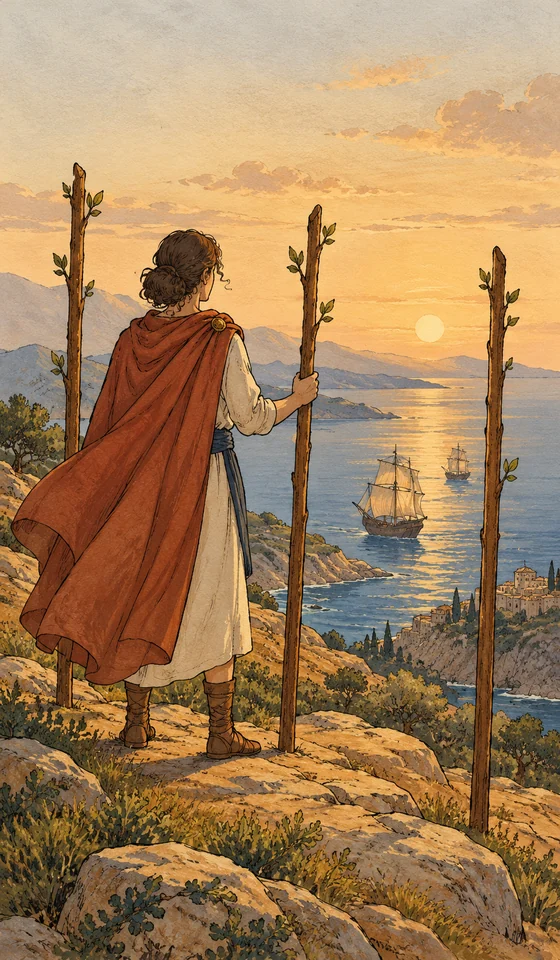
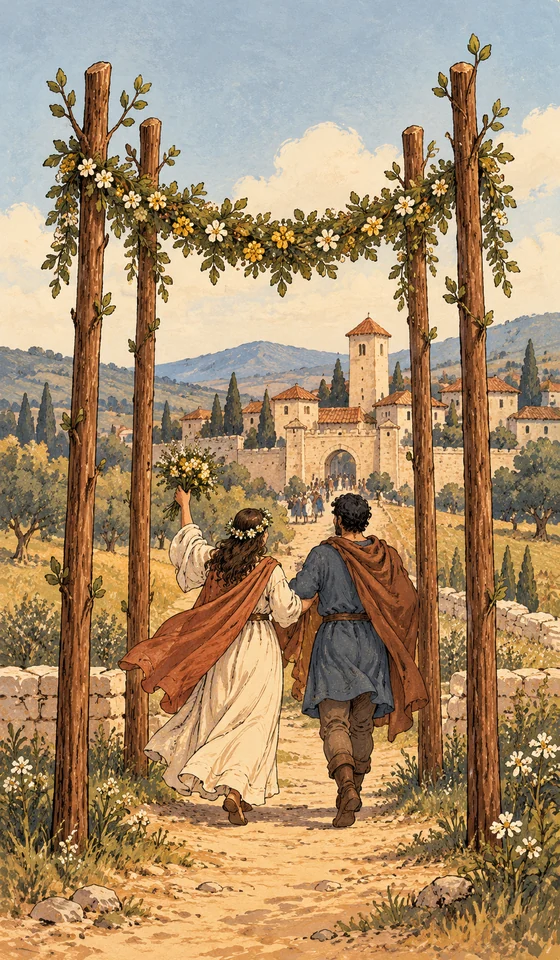
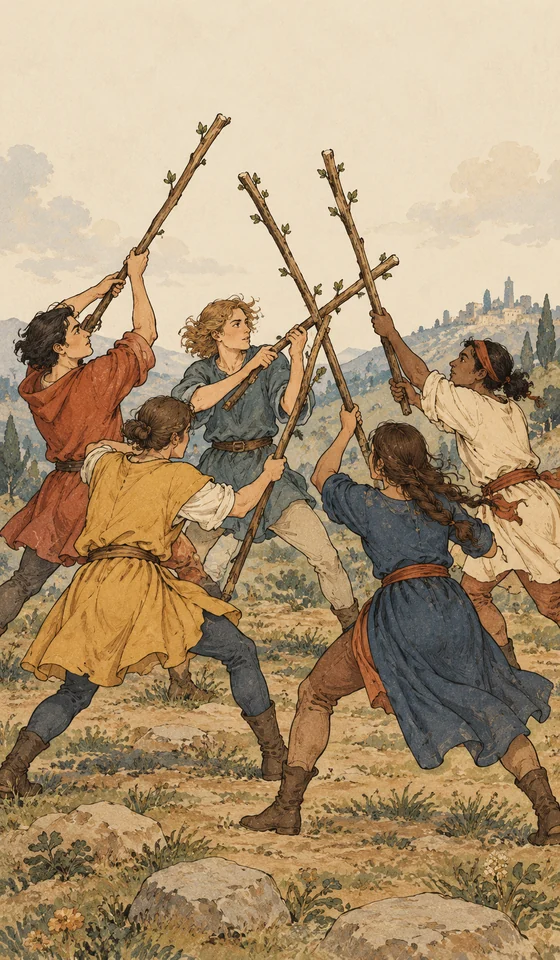
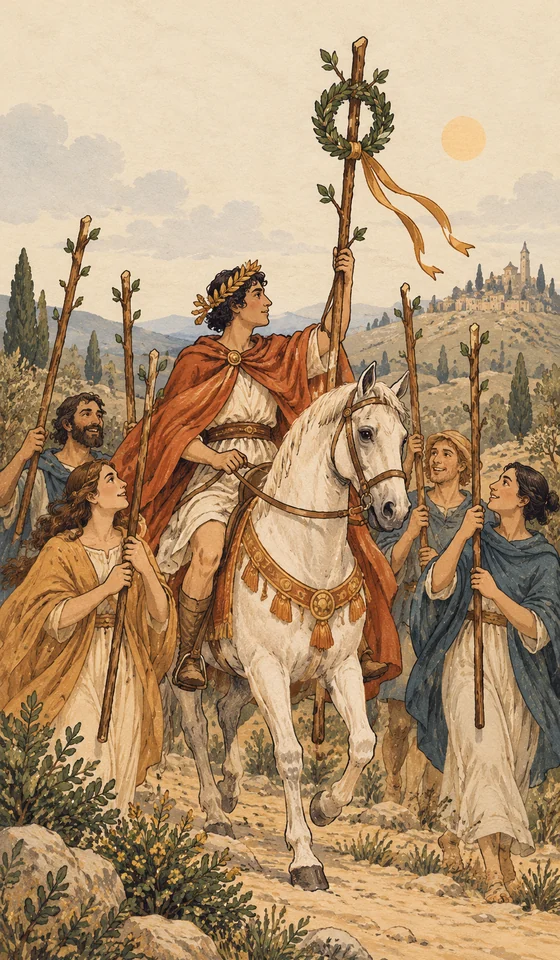
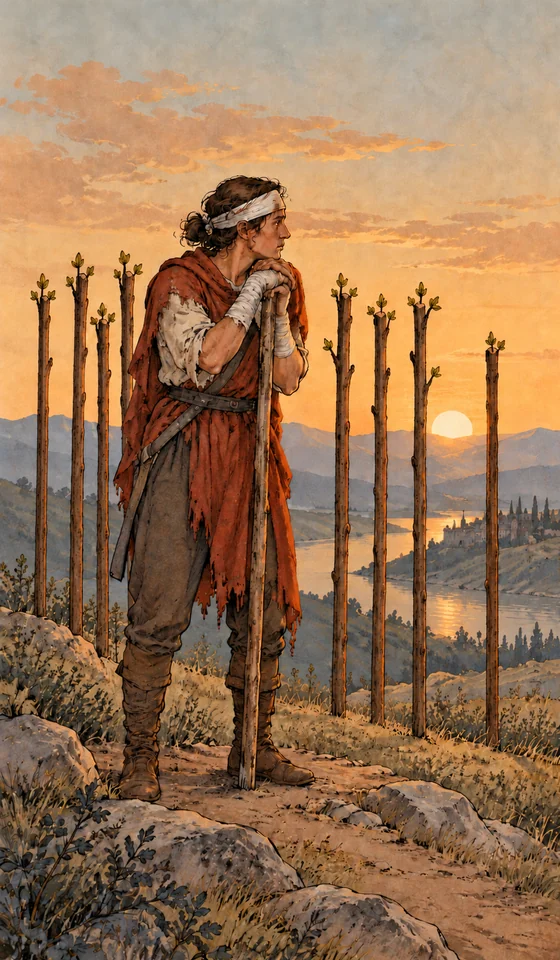
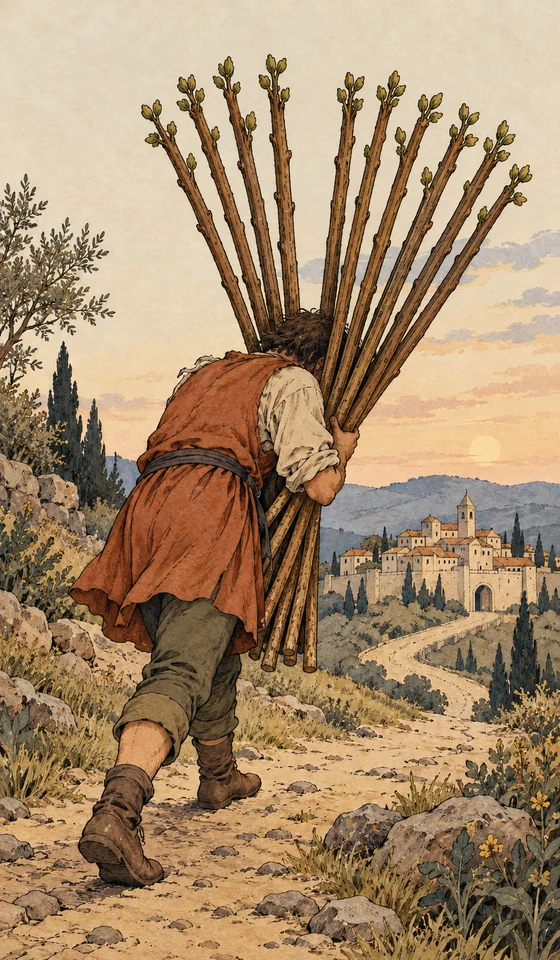
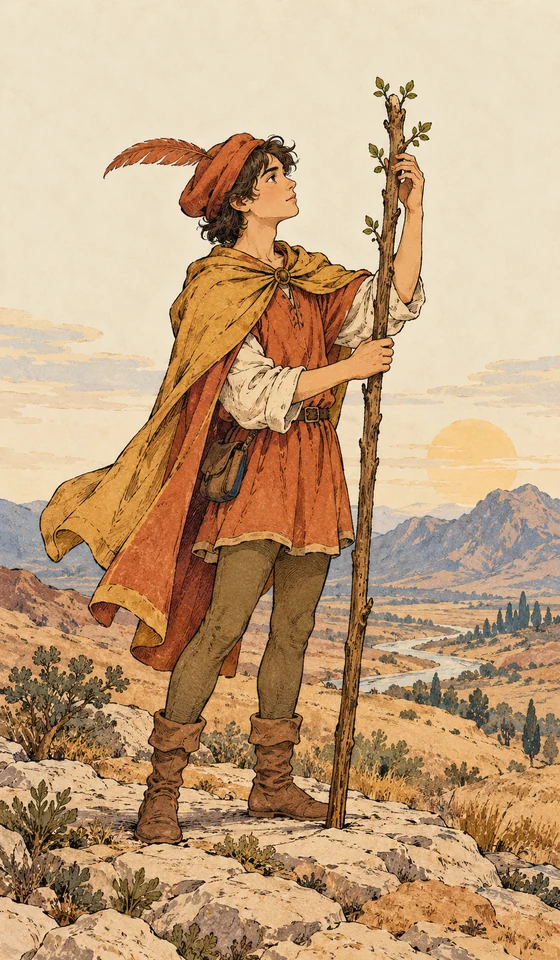
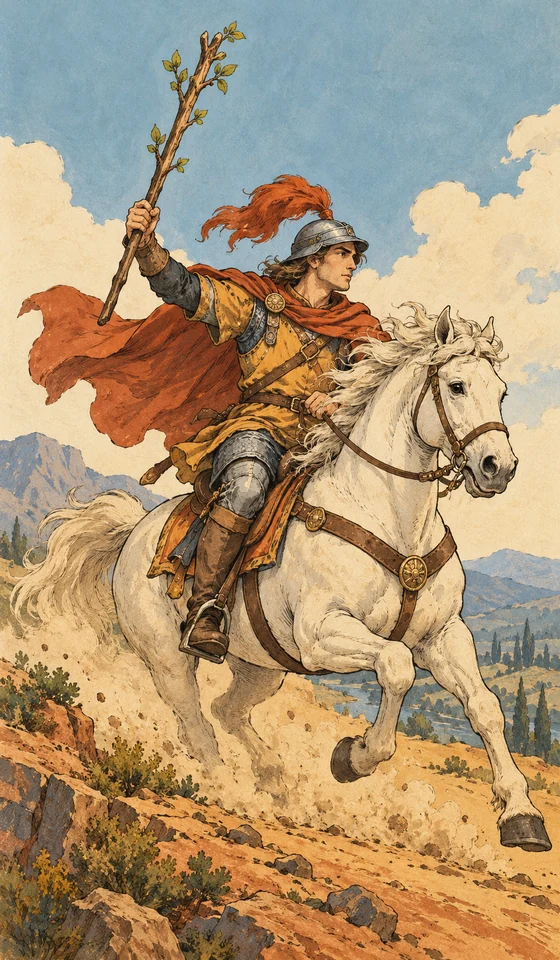
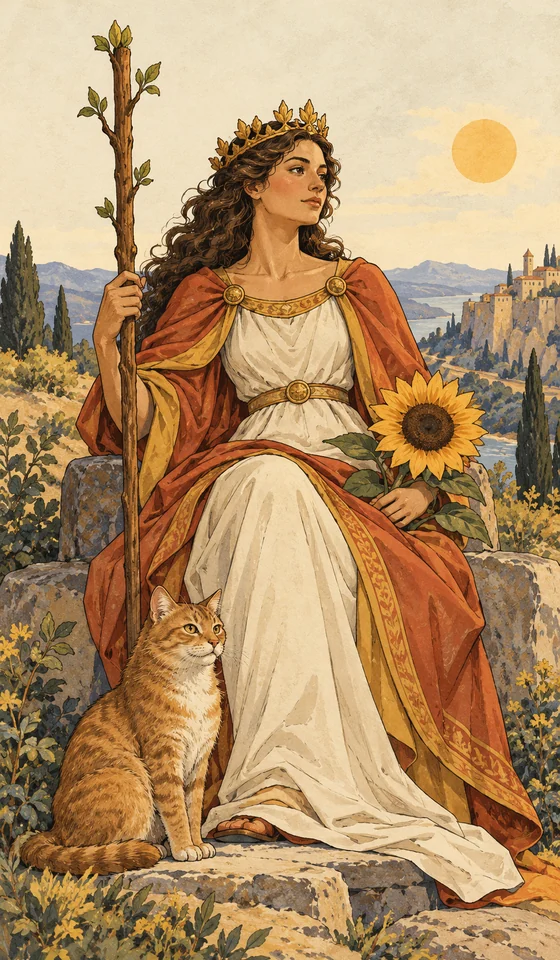
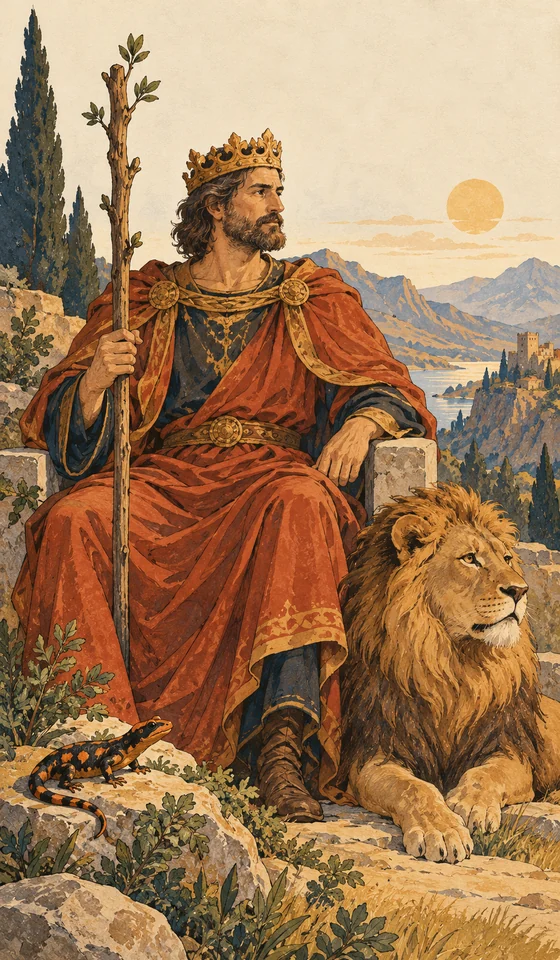
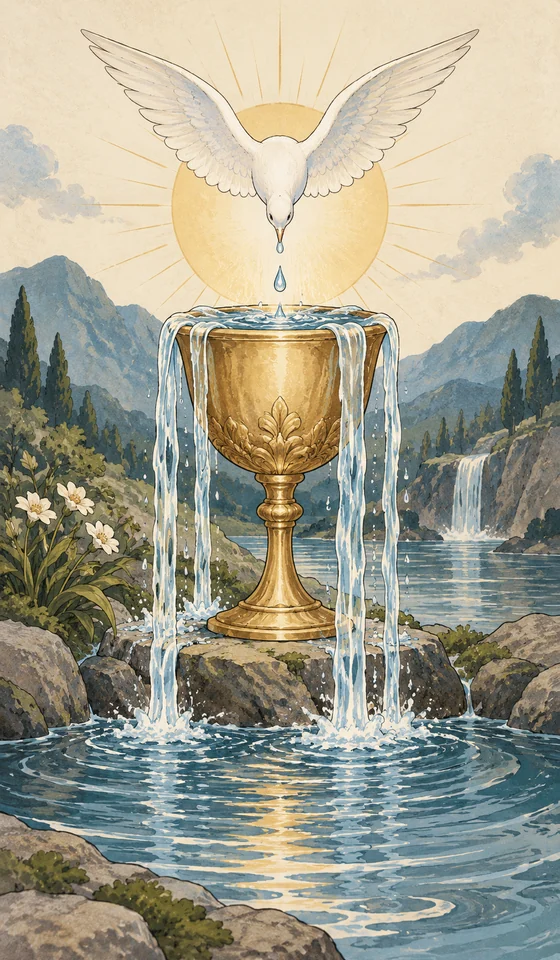
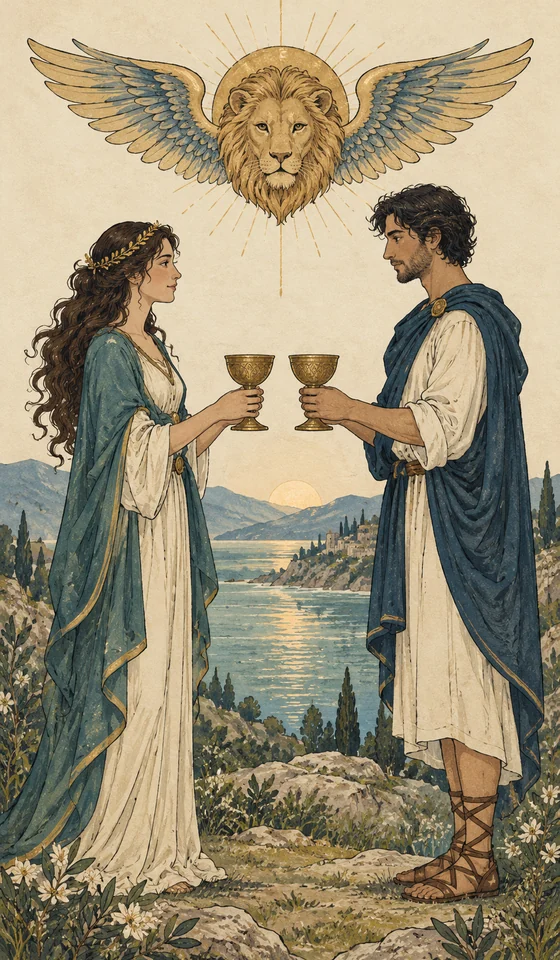
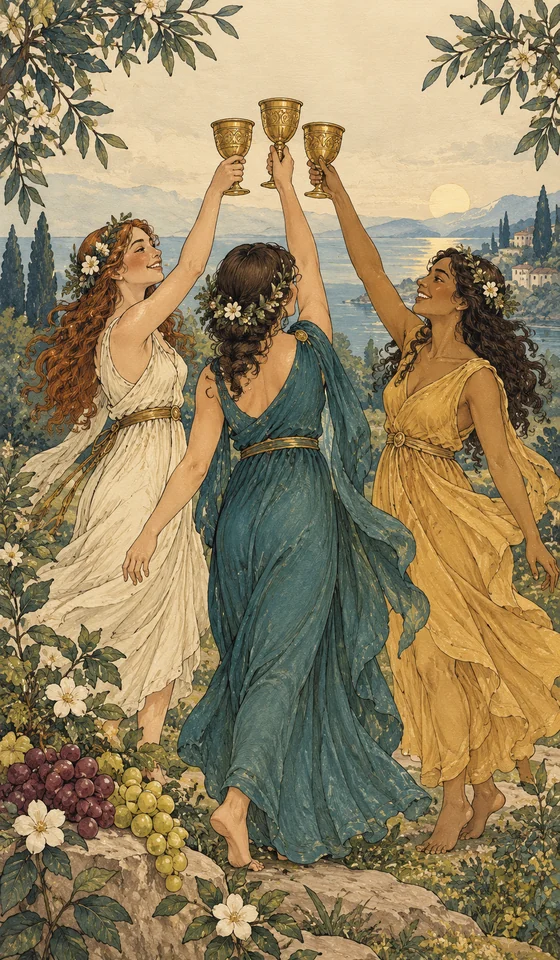
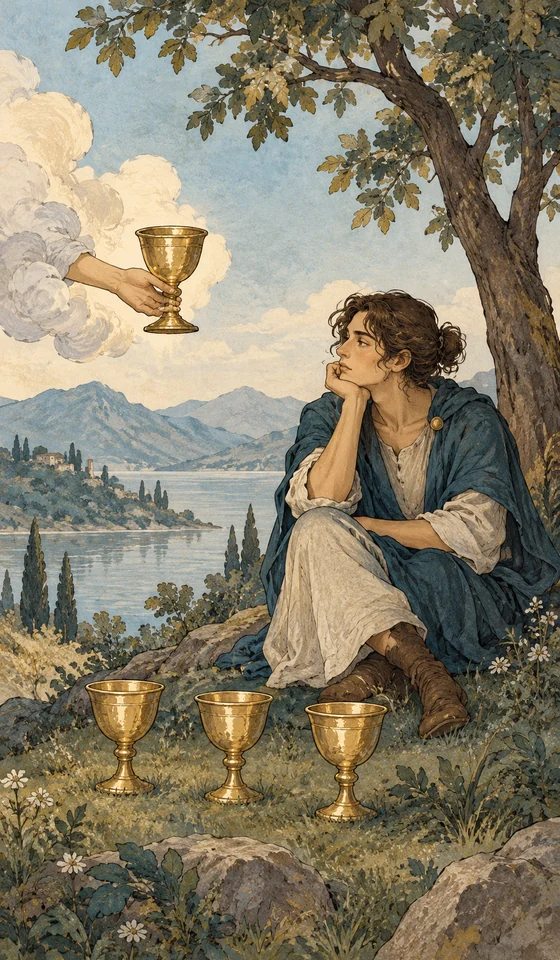
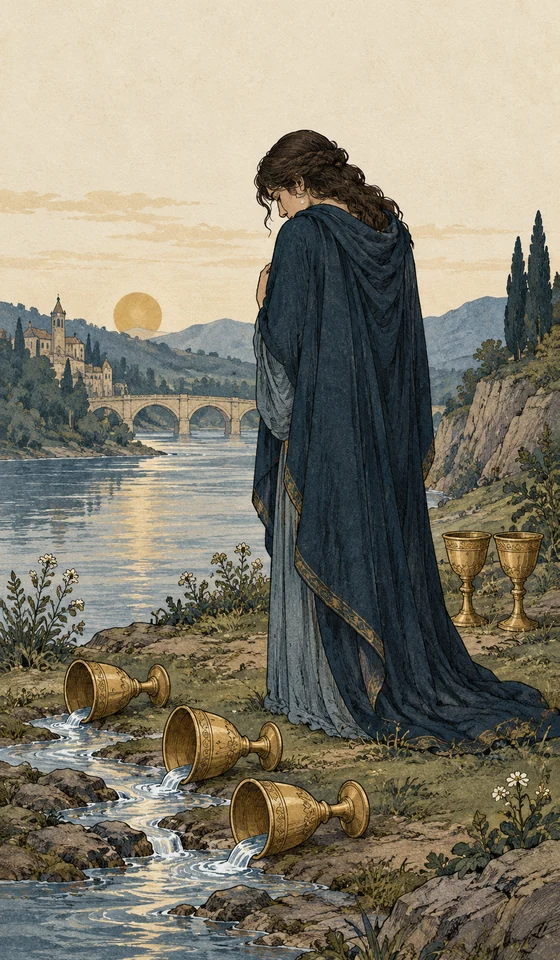
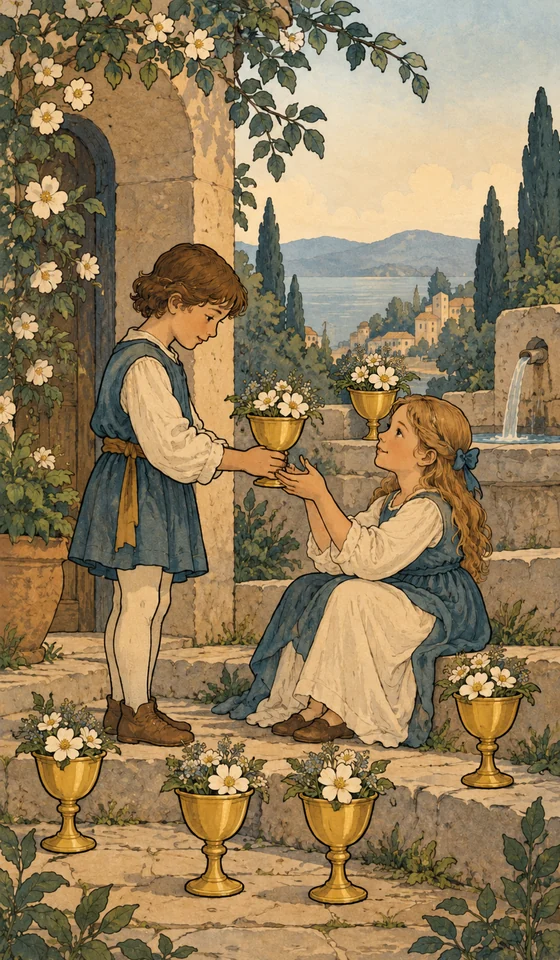
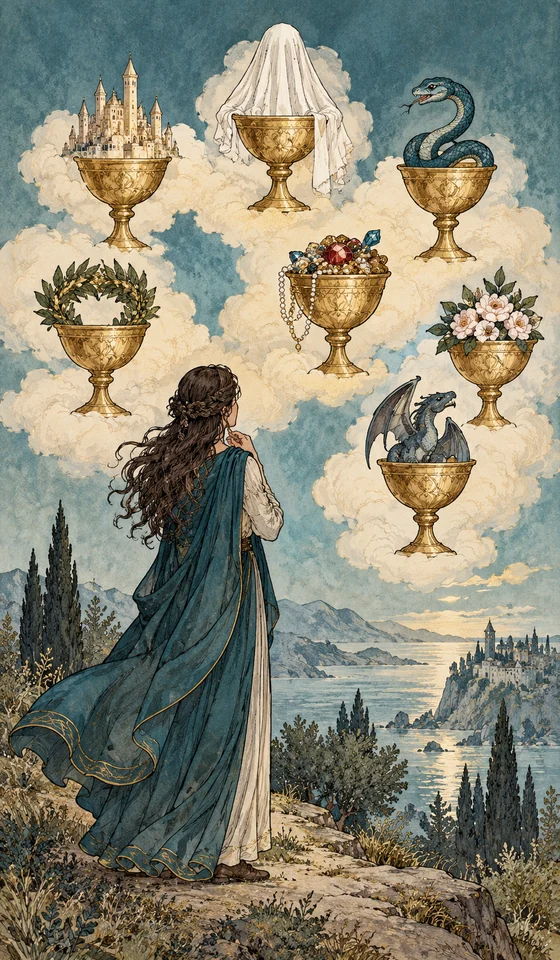
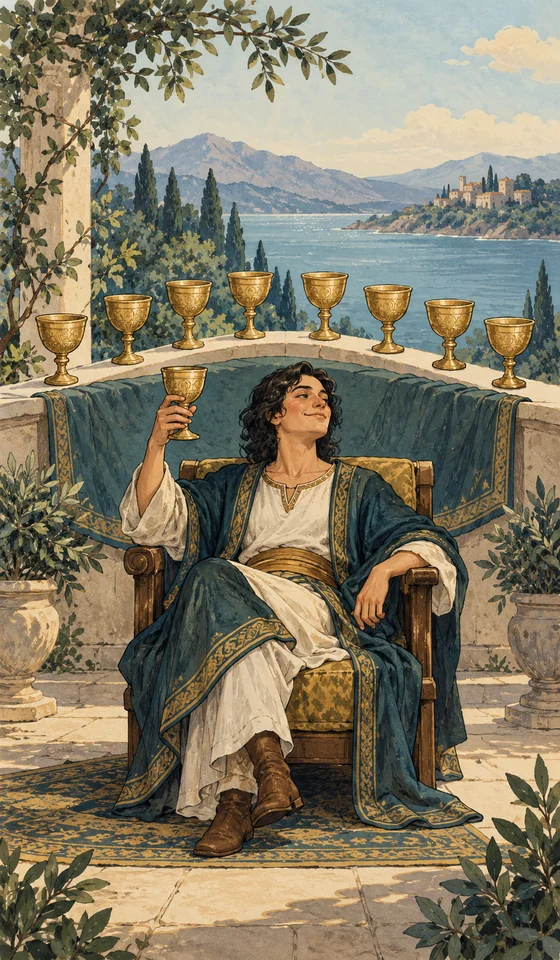
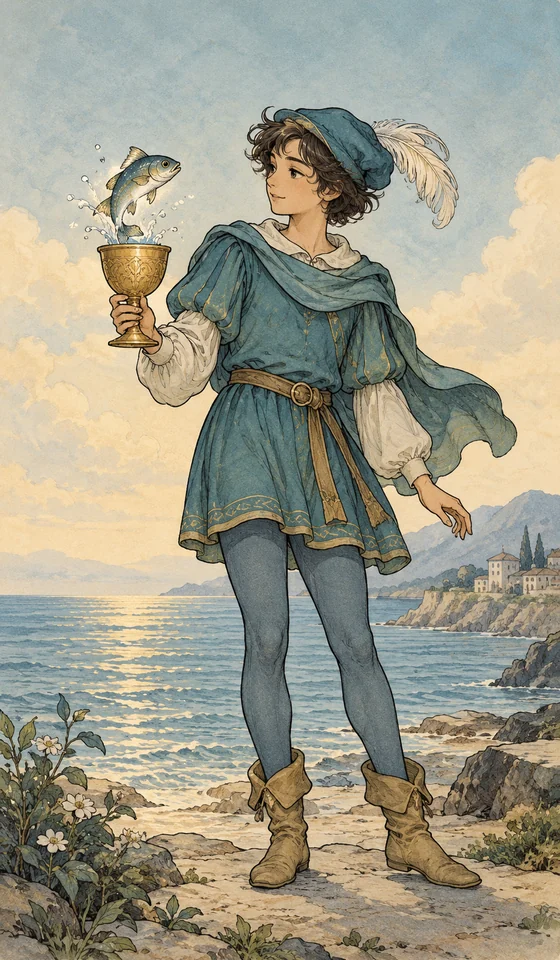
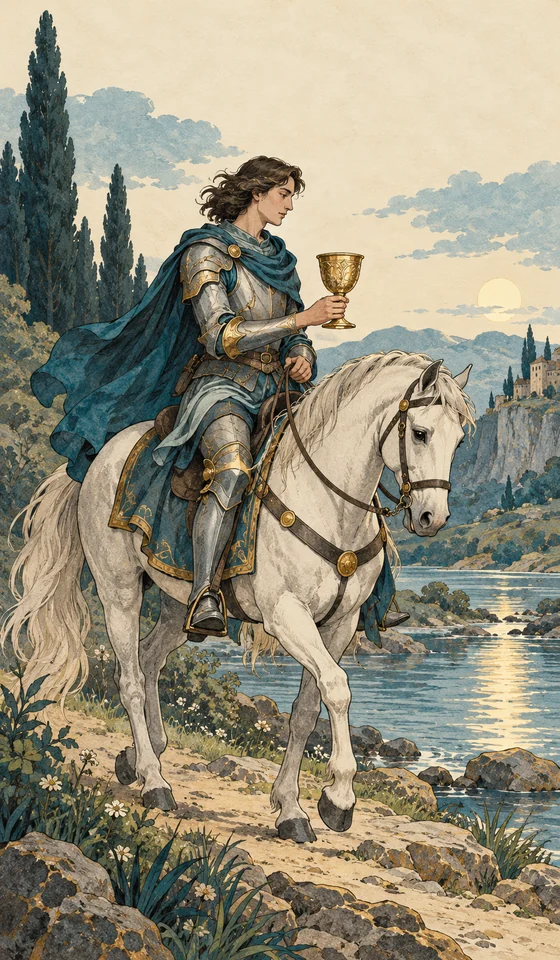
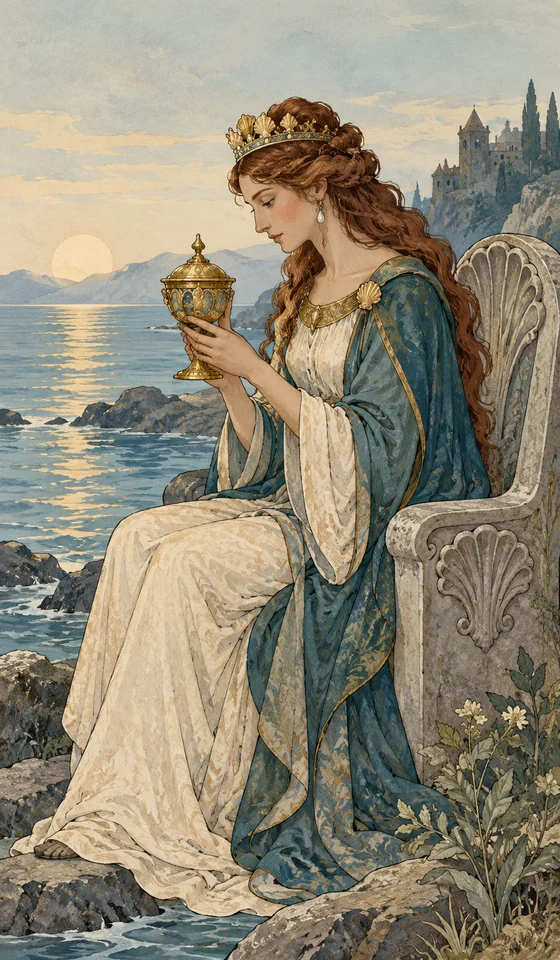
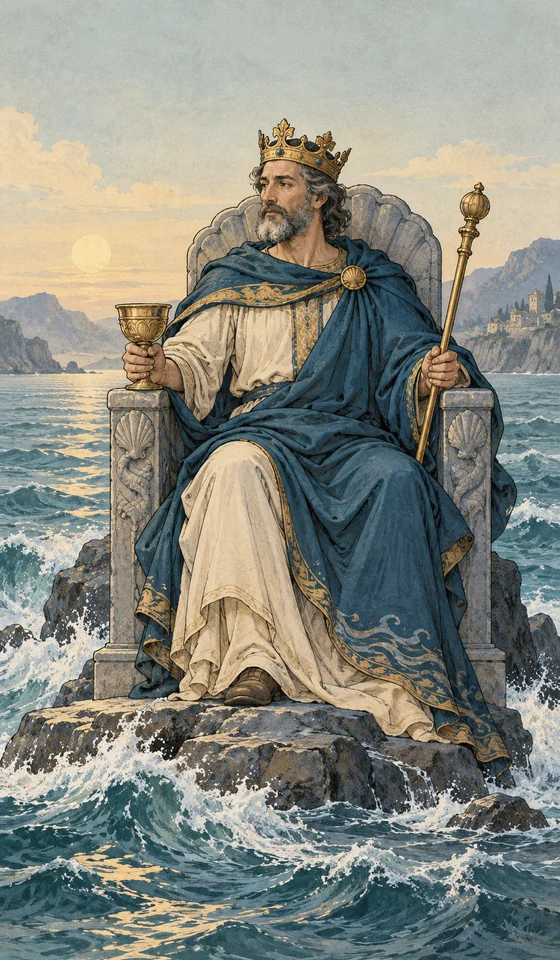
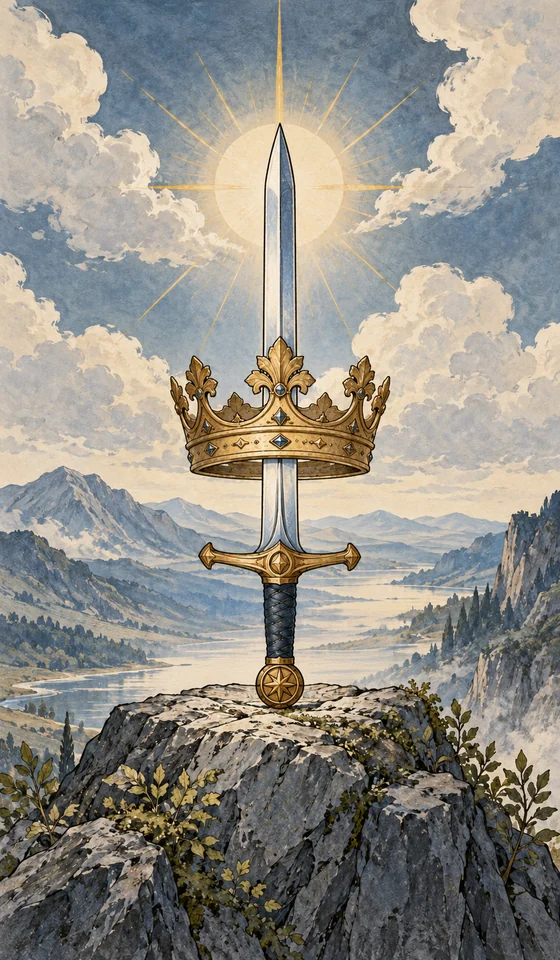
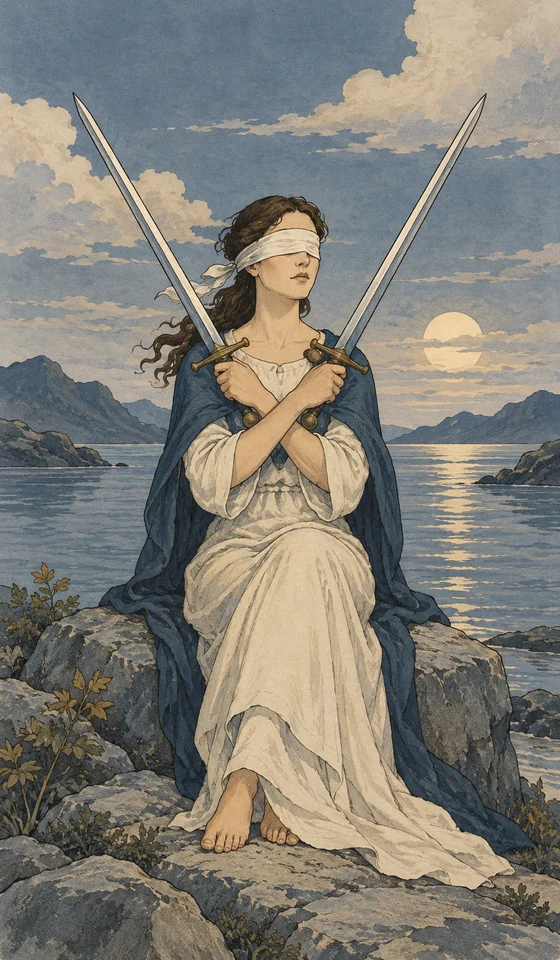
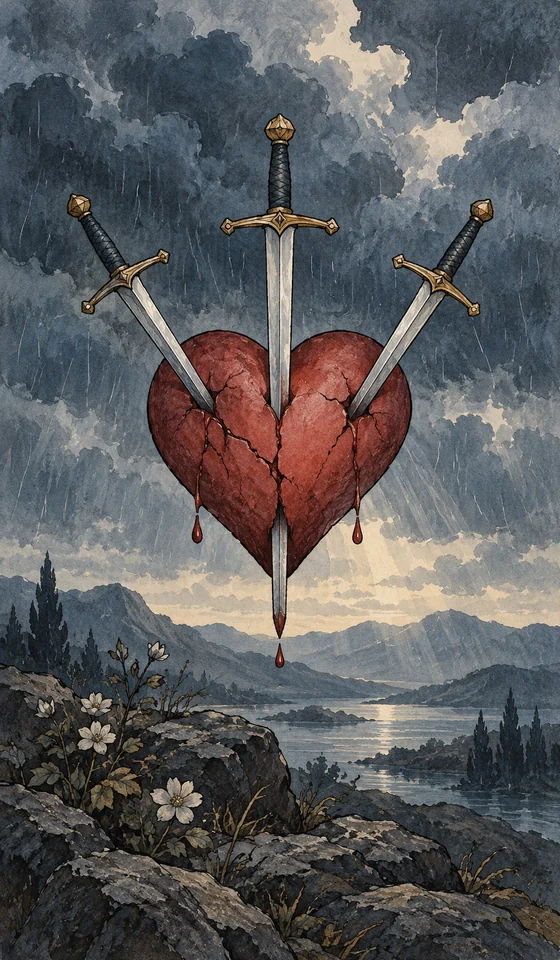
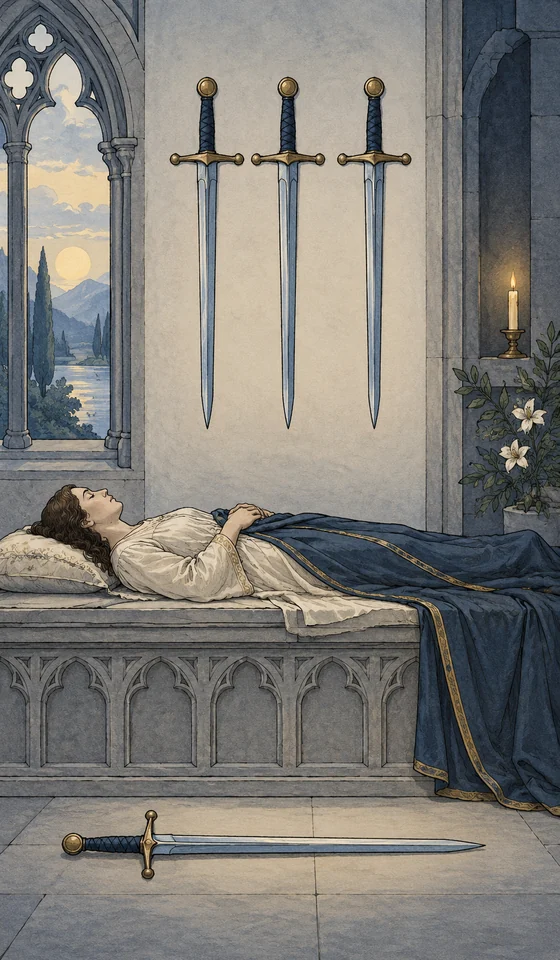
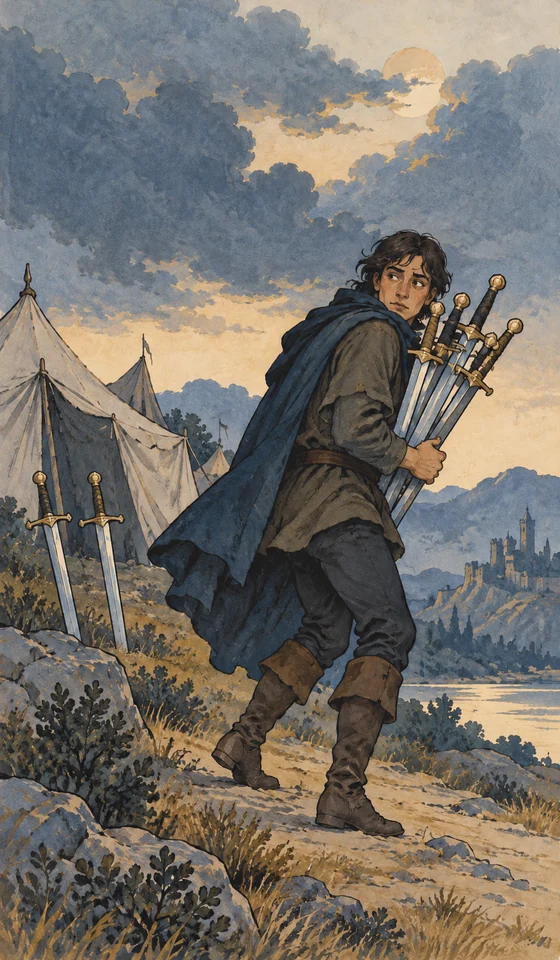
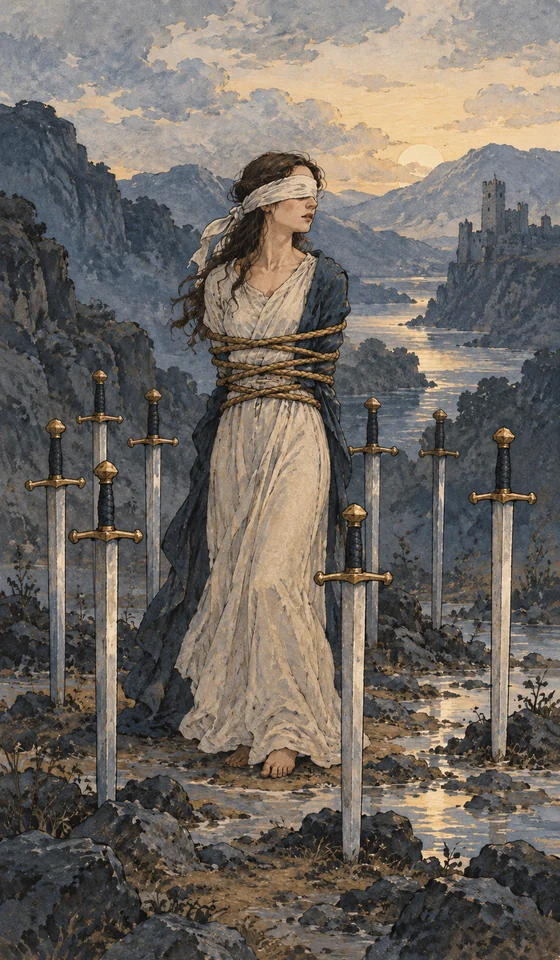
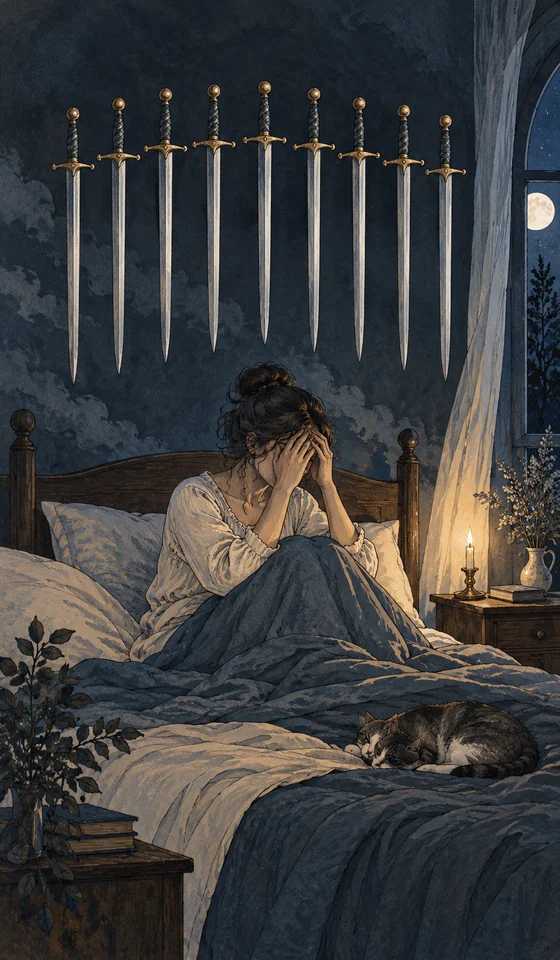
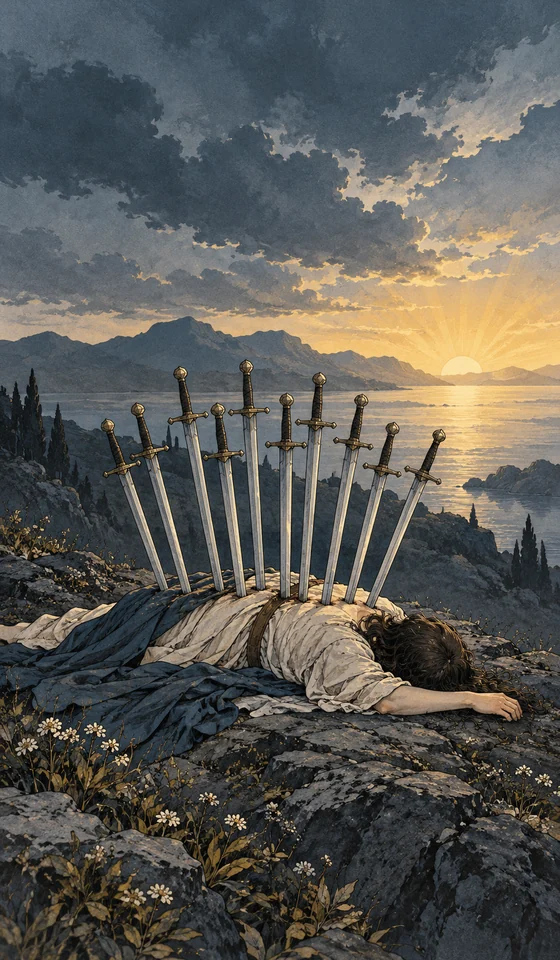
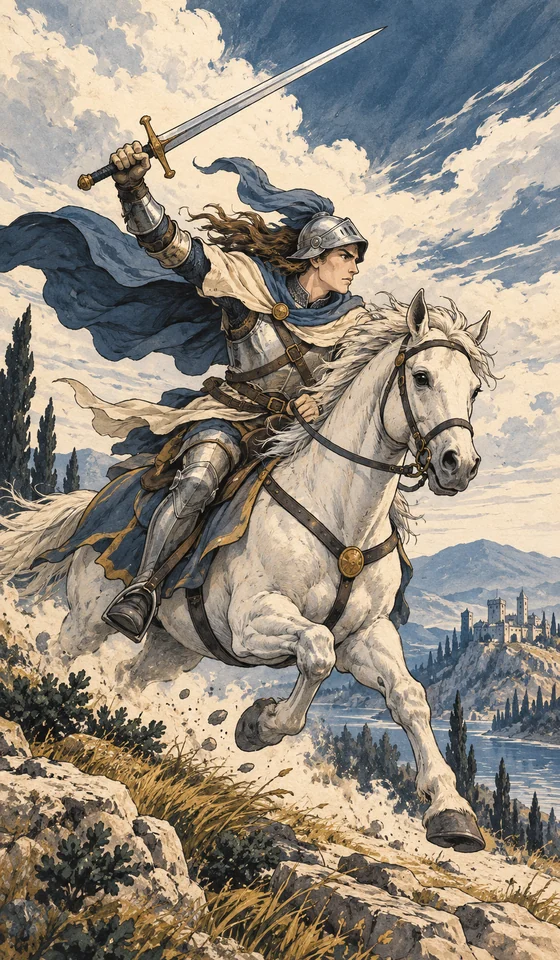
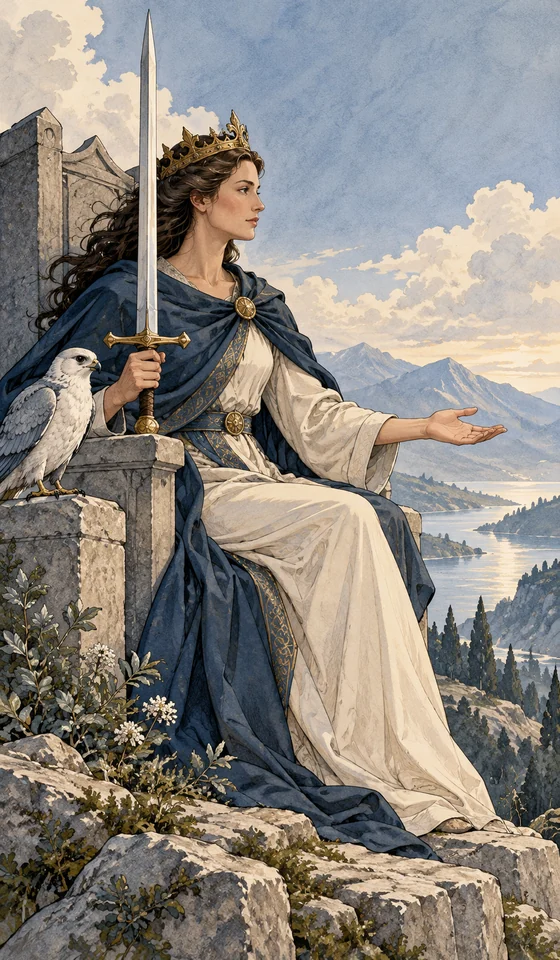
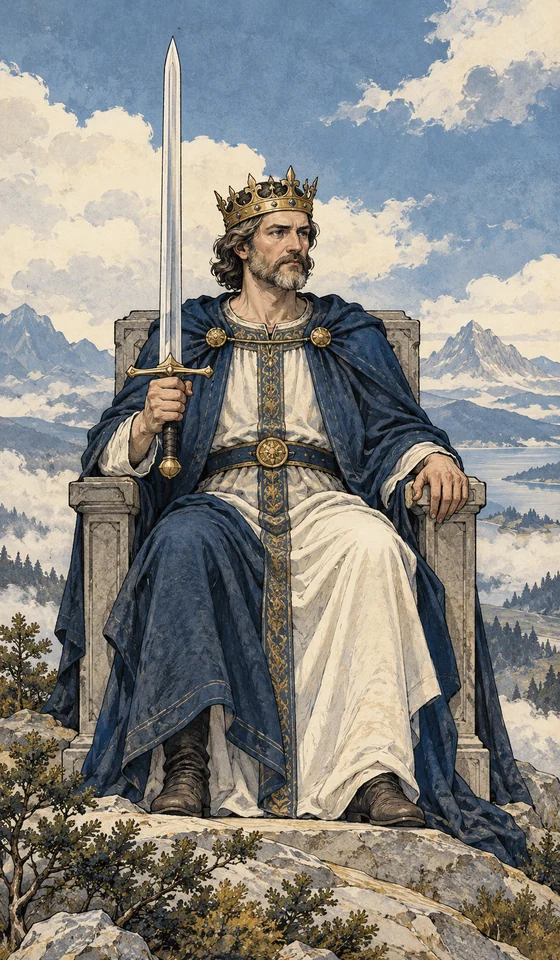
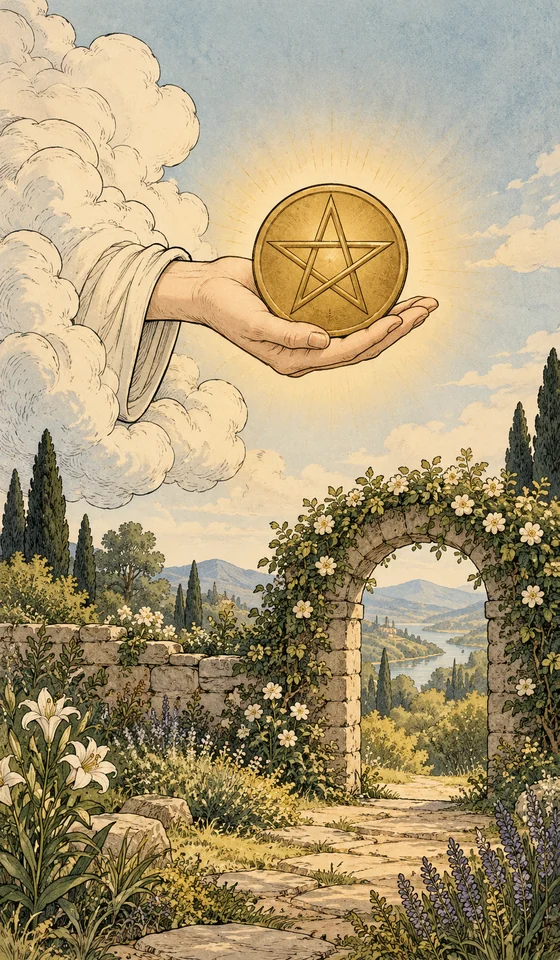
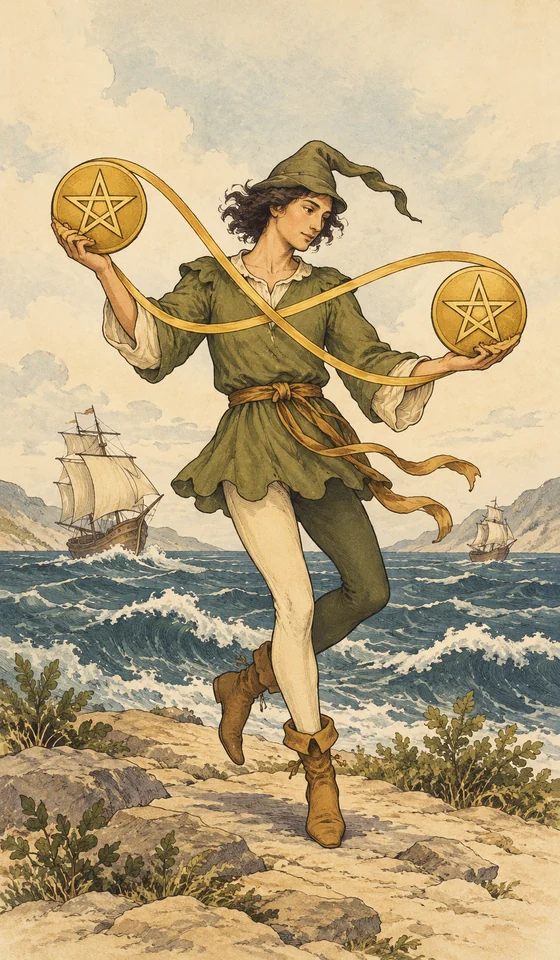
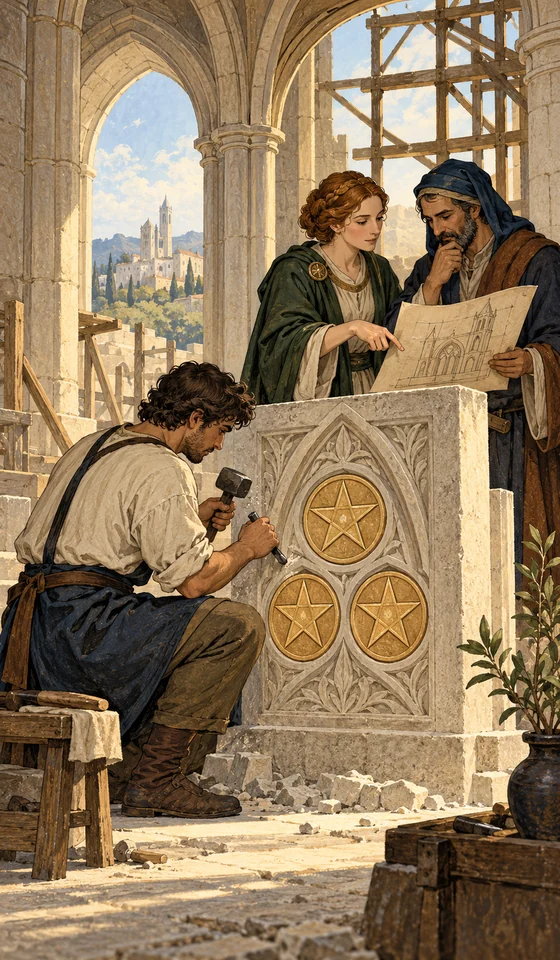
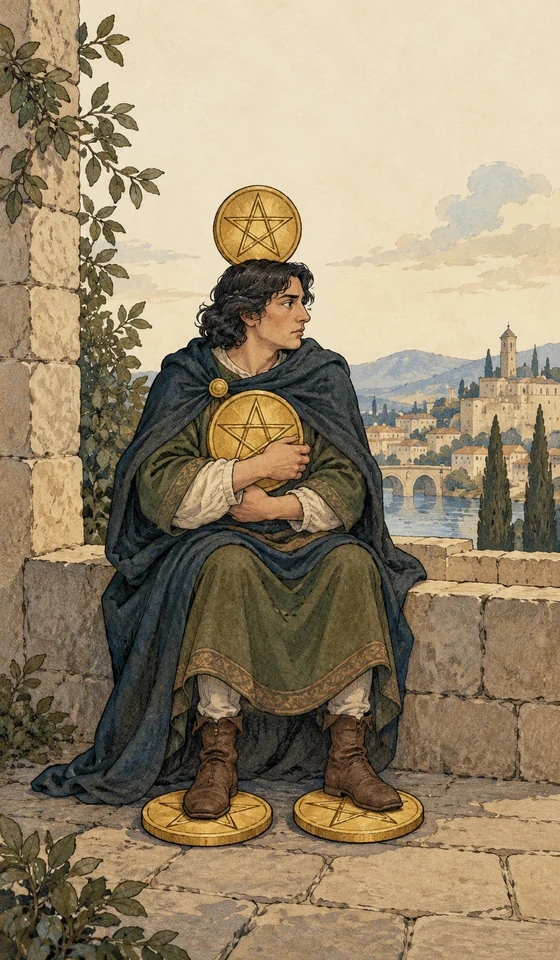
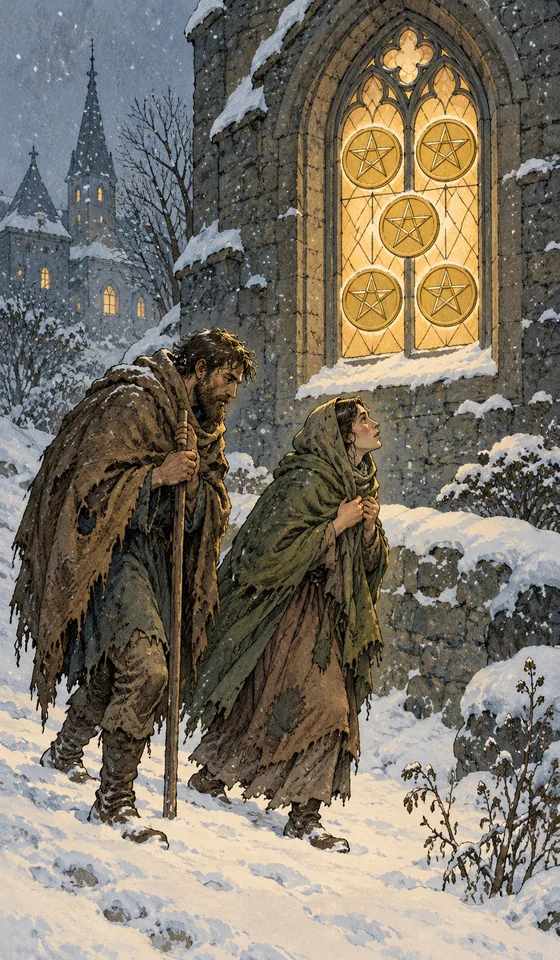
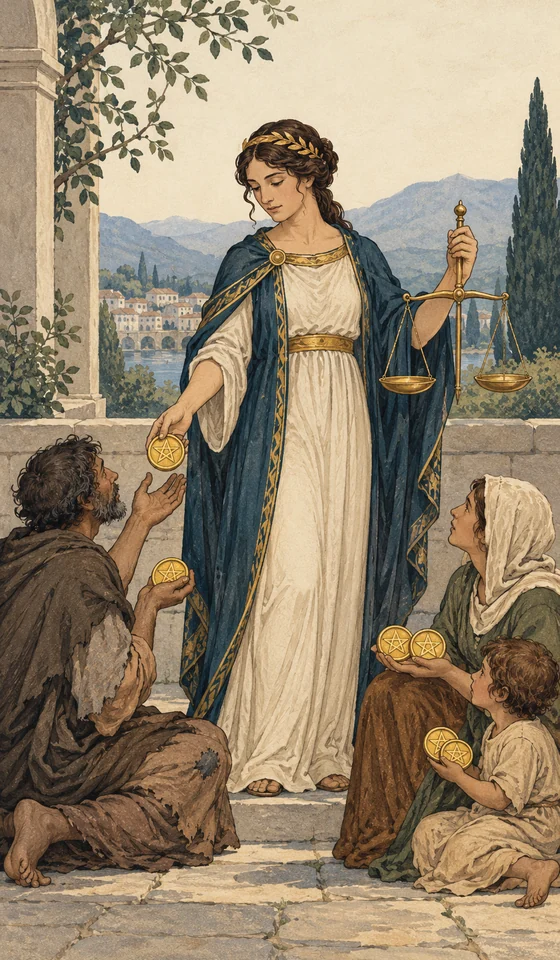
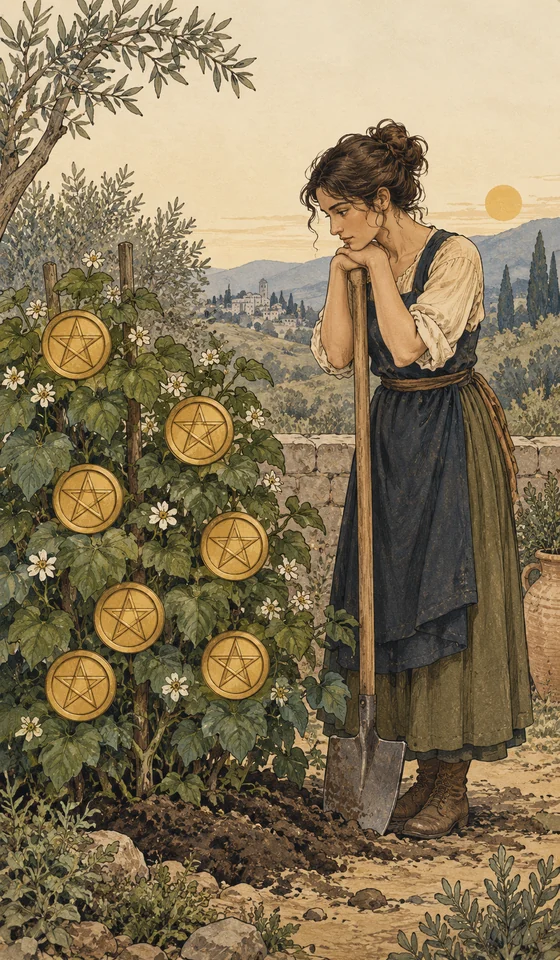
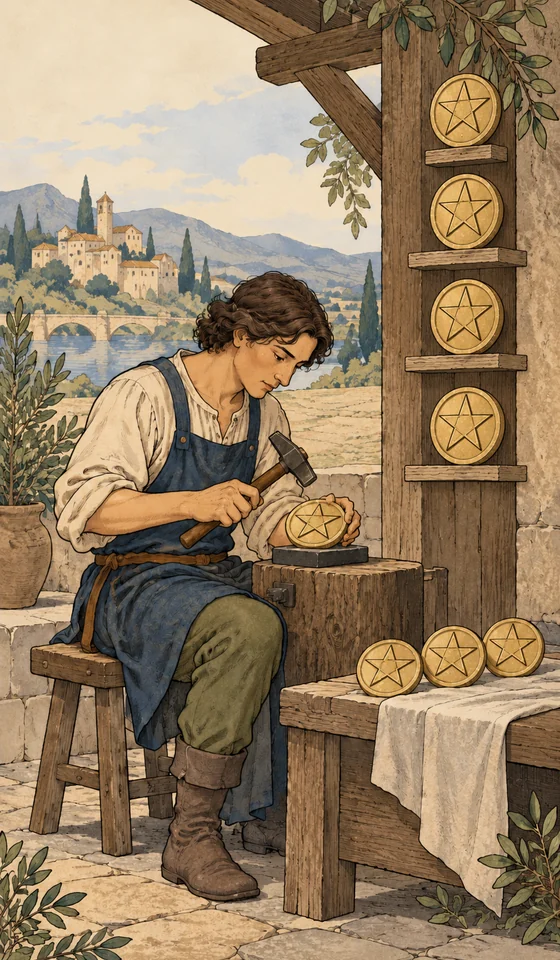
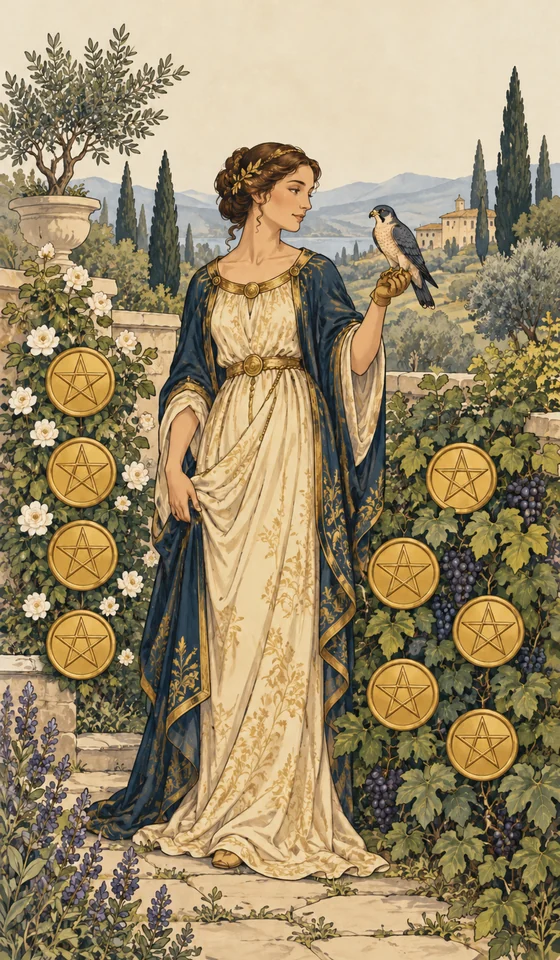
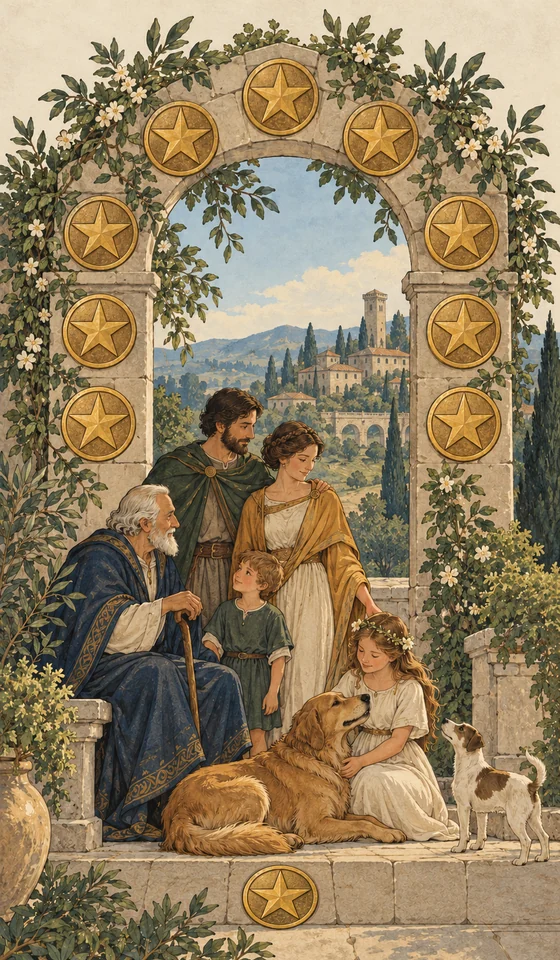
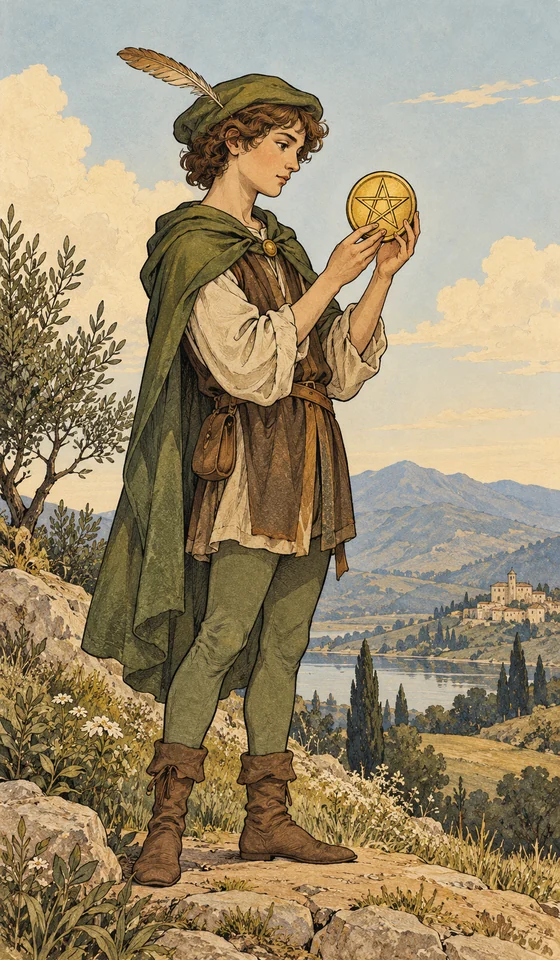
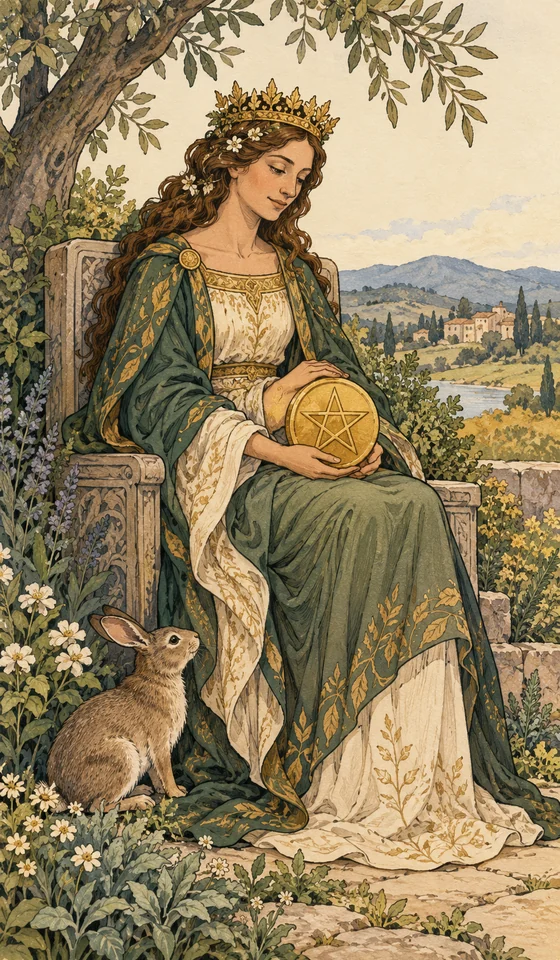
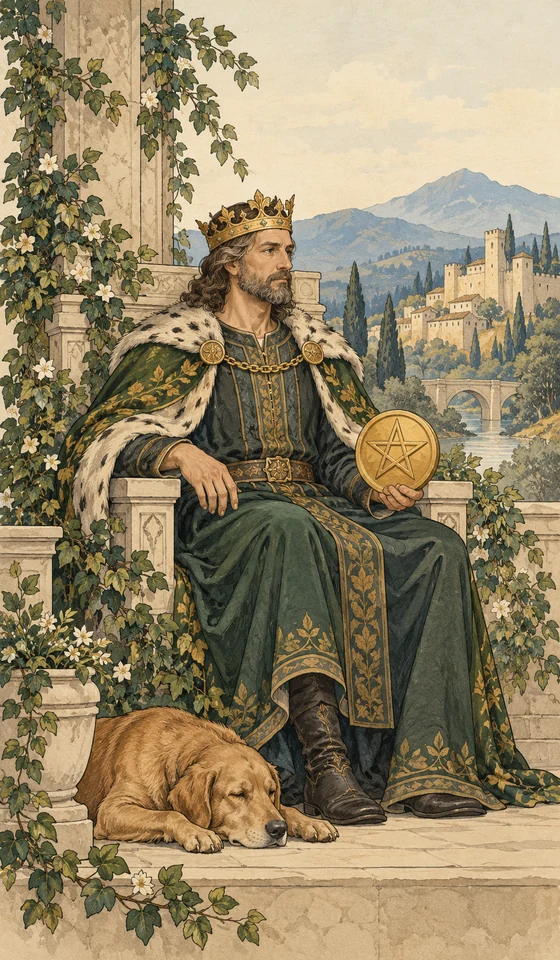
The library follows the Rider–Waite–Smith tradition. Its Quiet Lantern artwork is an original, AI-assisted collection created for MystLume using RWS learning symbols. These illustrations are not historical scans by Pamela Colman Smith. Compare the visible details with the notes, and consult our methods and sources for the distinction between historical references and modern interpretations.
Understand the Major and Minor Arcana
The 22 Major Arcana introduce broad themes such as beginnings, structure, change, and completion. Each has a full meaning page with a worked reading example and related cards. In this sequence, The Fool is 0, Strength is VIII, Justice is XI, and The World is XXI.
The 56 Minor Arcana belong to Wands, Cups, Swords, and Pentacles. Each suit has Ace through Ten plus Page, Knight, Queen, and King. Their study notes are available here in the library. Our suits and symbols guide explains how numbers, court roles, and visible details can contribute to an interpretation.
Read upright and reversed meanings in context
A card meaning is a starting point for reasoning, not a complete answer to every question. Read the card alongside its spread position and the situation you are considering. A reversed card may suggest a theme that is blocked, excessive, inwardly experienced, or emerging. It does not automatically mean the opposite of the upright card or indicate a bad outcome.
Authored practice example: The Fool appears in a next-step position for a new hobby. Its theme of beginnings might suggest trying one small lesson. In a challenge position, the same theme could invite checking what preparation is missing. The question and position explain the difference; the keyword alone does not.
Build a card-study routine
Choose one card and describe three details before reading its interpretation. Write one possible connection to your question, then name an alternative. Try that card in tarot practice and save your observations to the reading journal. Returning to your own wording can reveal how your understanding changes over time.
Questions about tarot card meanings
Do I need to memorize all 78 cards?
No. Begin with a small selection and use the library as a reference. Learning to explain one interpretation is more useful than recalling a list of disconnected keywords.
Can I use these notes with another deck?
They are easiest to compare with RWS-inspired imagery. Other traditions may use different symbols or numbering. Notice those differences rather than assuming every image carries the same meaning.
Must I use reversed cards?
No. You can practise with upright cards only. If you include reversals, choose a consistent approach and read the reversed-card guide for examples.