
What are the Major Arcana?
The Major Arcana are 22 cards within a 78-card tarot deck. In the Rider–Waite–Smith sequence used here, The Fool is 0, The World is XXI, Strength is VIII and Justice is XI. The remaining 56 cards belong to the four Minor Arcana suits. A Major Arcana card can frame a broad learning theme, while a Minor Arcana card often helps explore an everyday situation. This is a reading convention, not a measure of how important a real event must be.
Explore the 22 cards
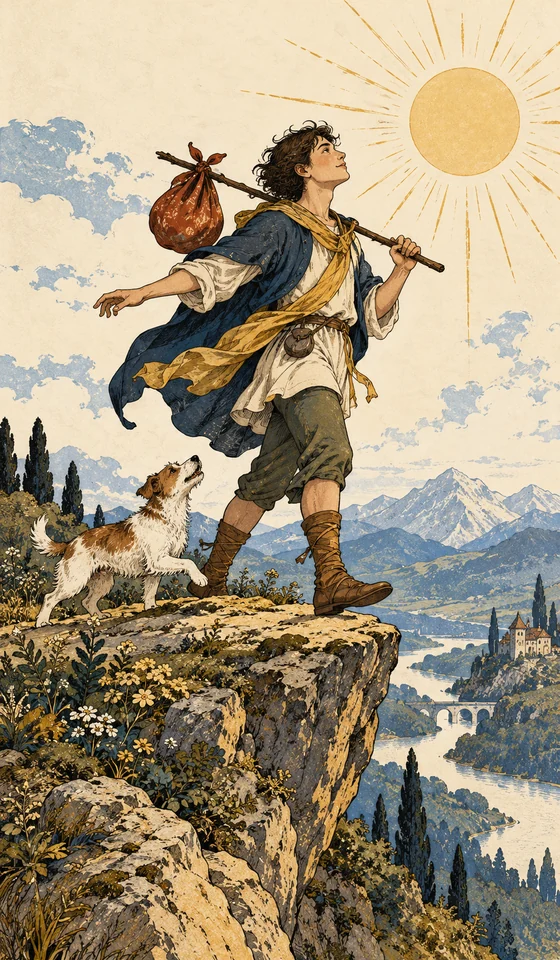
- 0 · The Fool — Beginnings · Curiosity · Openness.
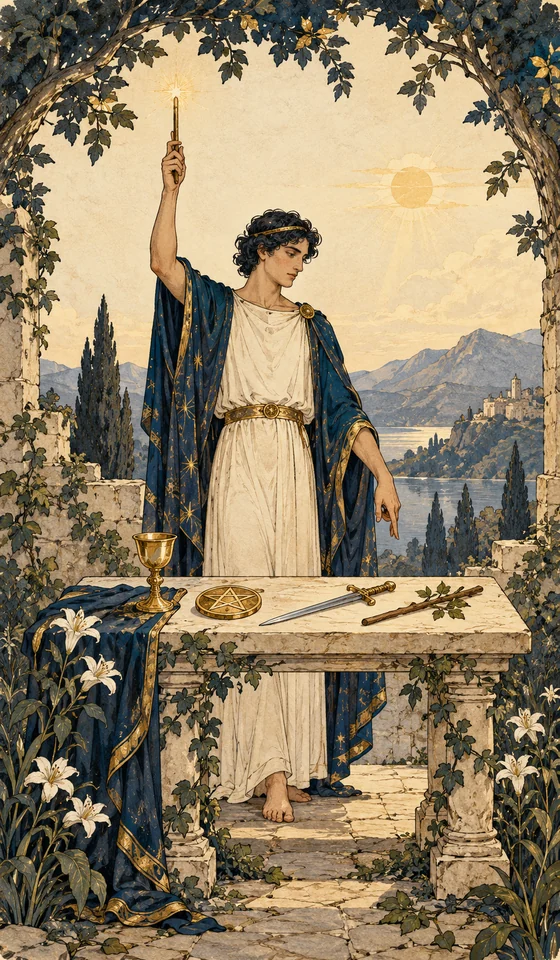
- 1 · The Magician — Skill · Initiative · Resourcefulness.
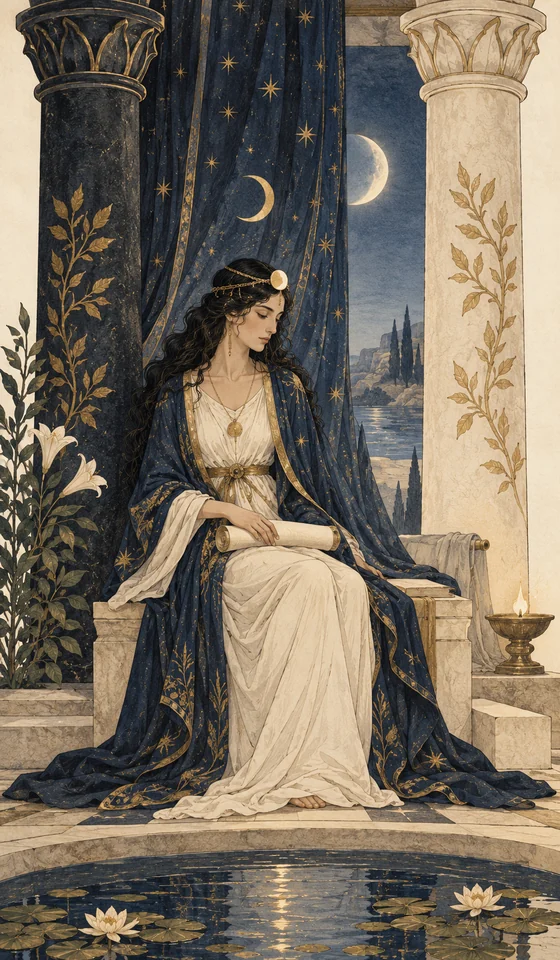
- 2 · The High Priestess — Reflection · Intuition · Patience.
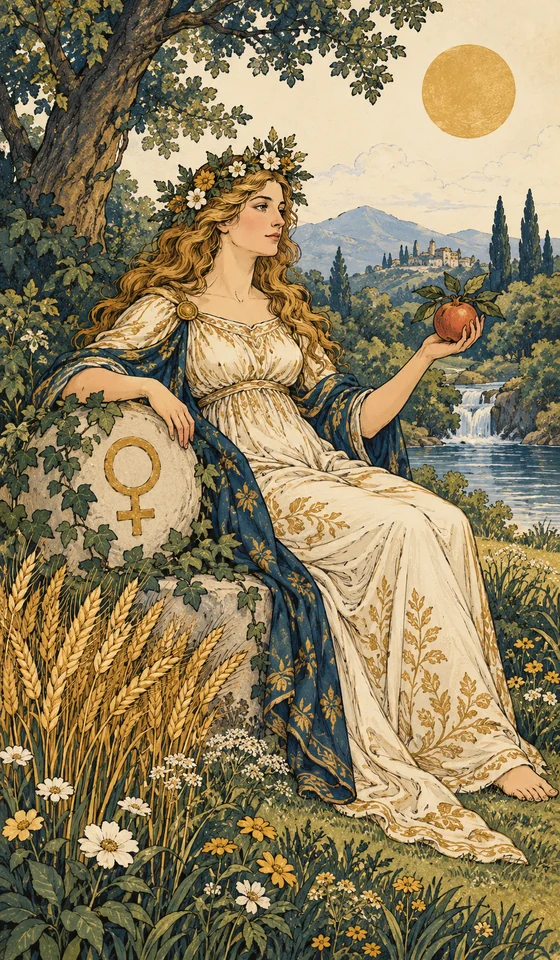
- 3 · The Empress — Care · Creativity · Growth.
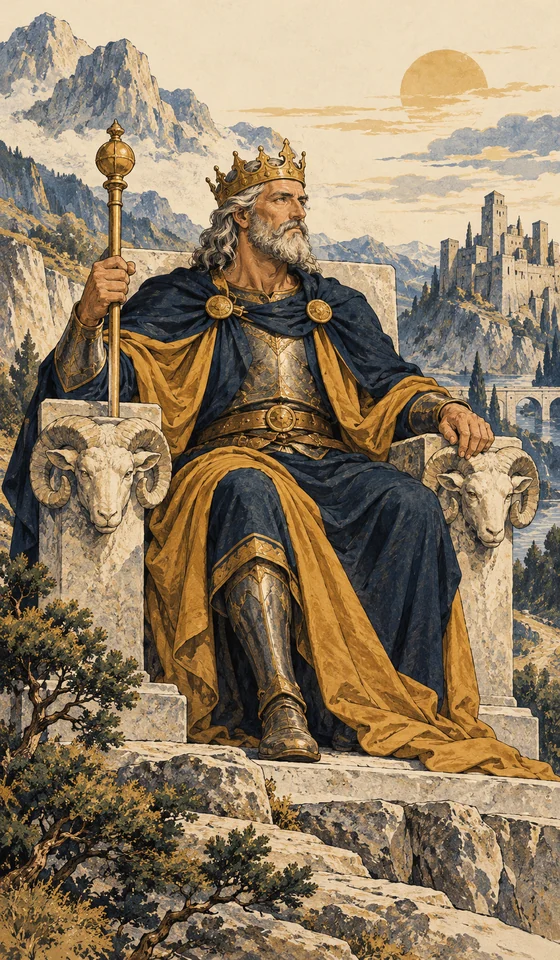
- 4 · The Emperor — Structure · Boundaries · Responsibility.
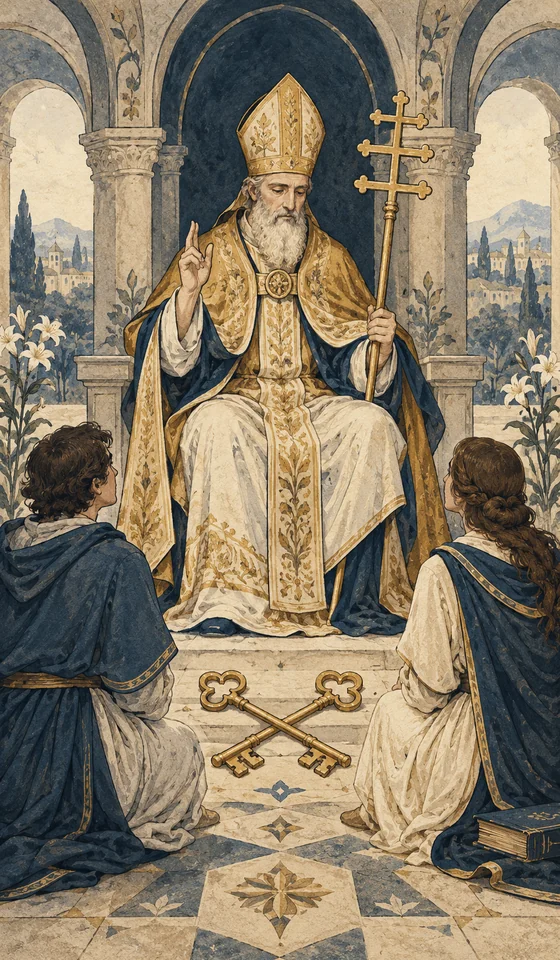
- 5 · The Hierophant — Tradition · Learning · Shared values.
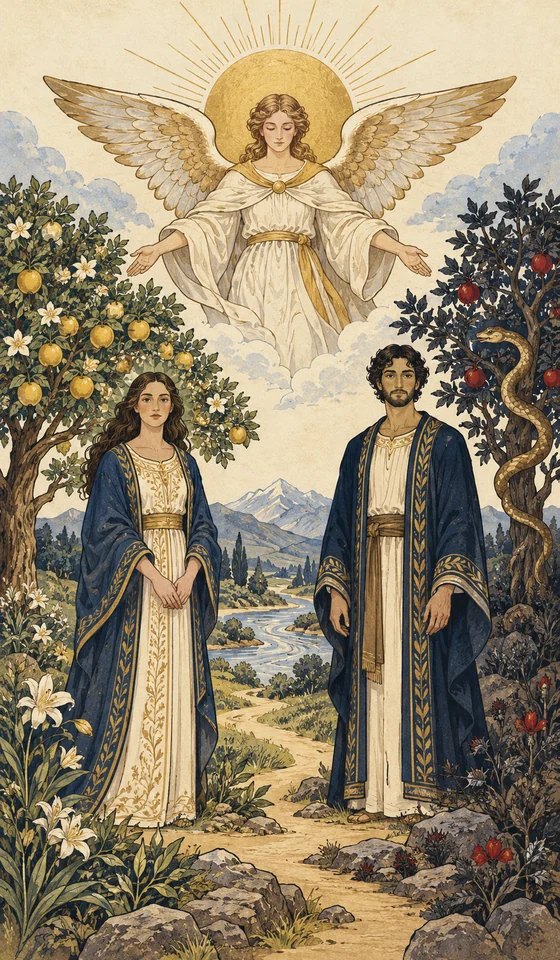
- 6 · The Lovers — Alignment · Choice · Connection.
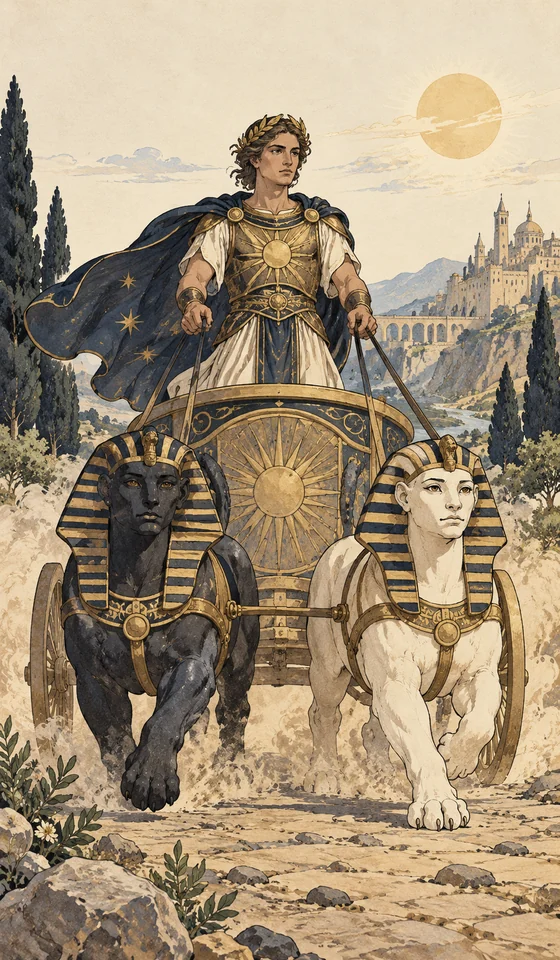
- 7 · The Chariot — Direction · Commitment · Coordination.
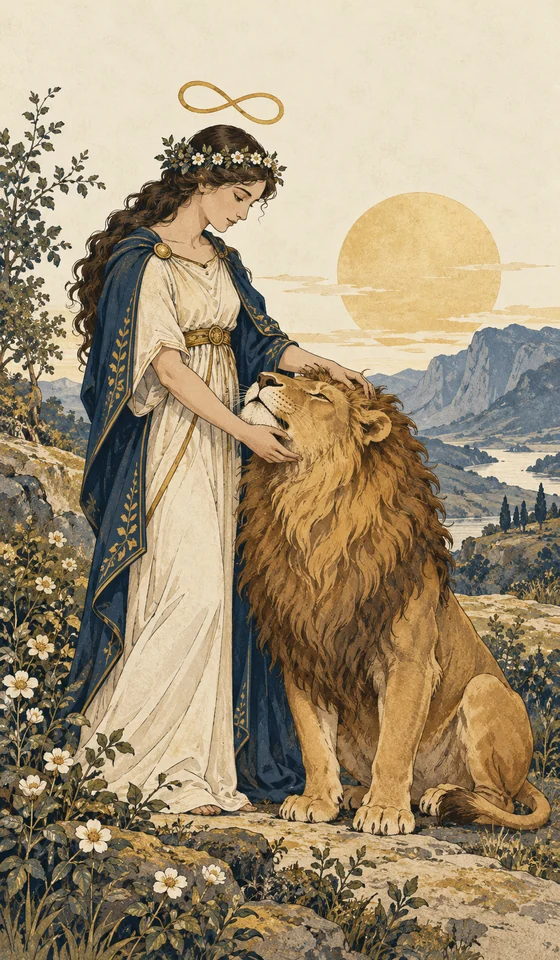
- 8 · Strength — Courage · Patience · Self-regulation.
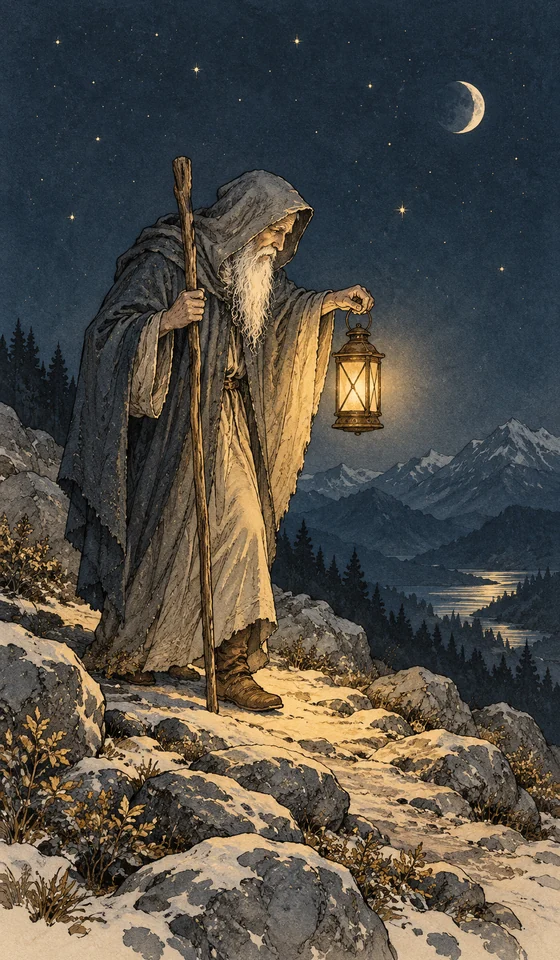
- 9 · The Hermit — Reflection · Solitude · Discernment.
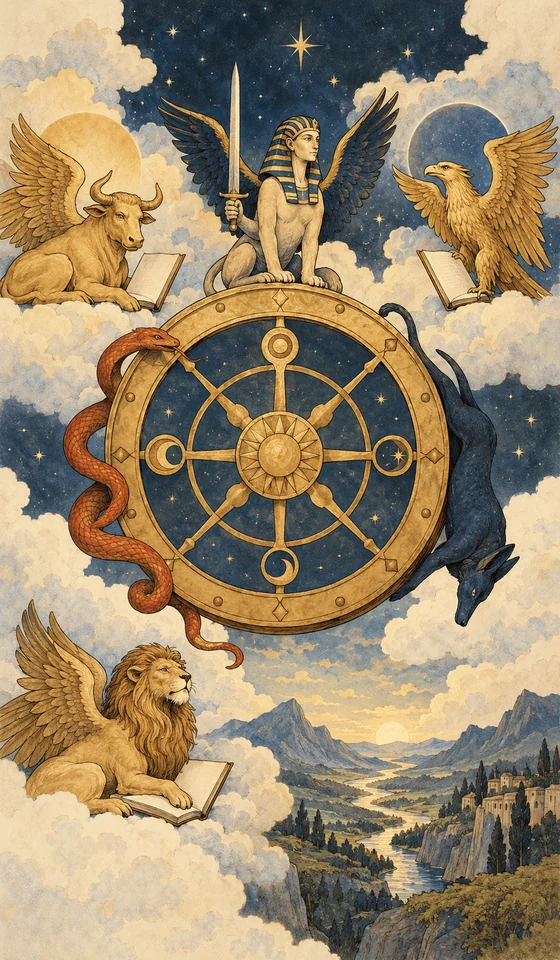
- 10 · Wheel of Fortune — Cycles · Change · Adaptability.
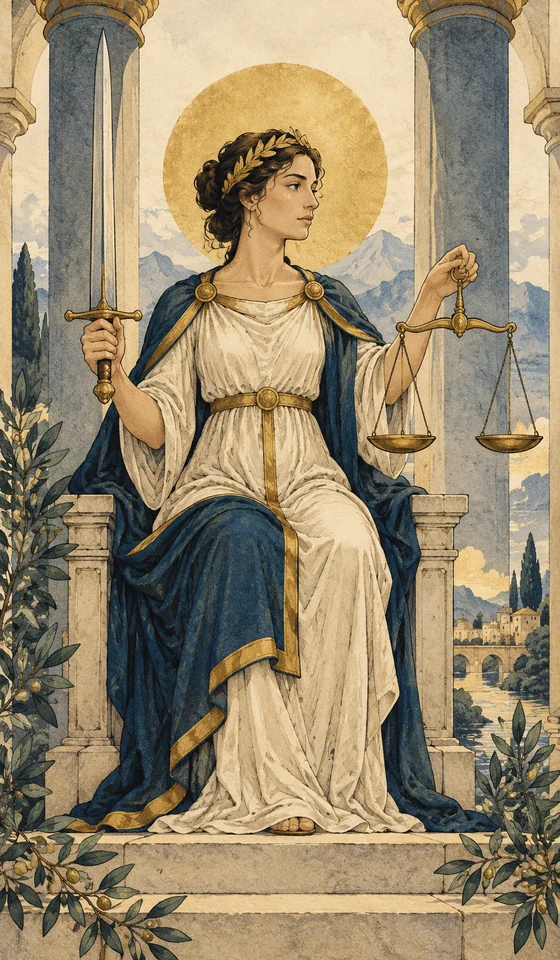
- 11 · Justice — Fairness · Evidence · Accountability.
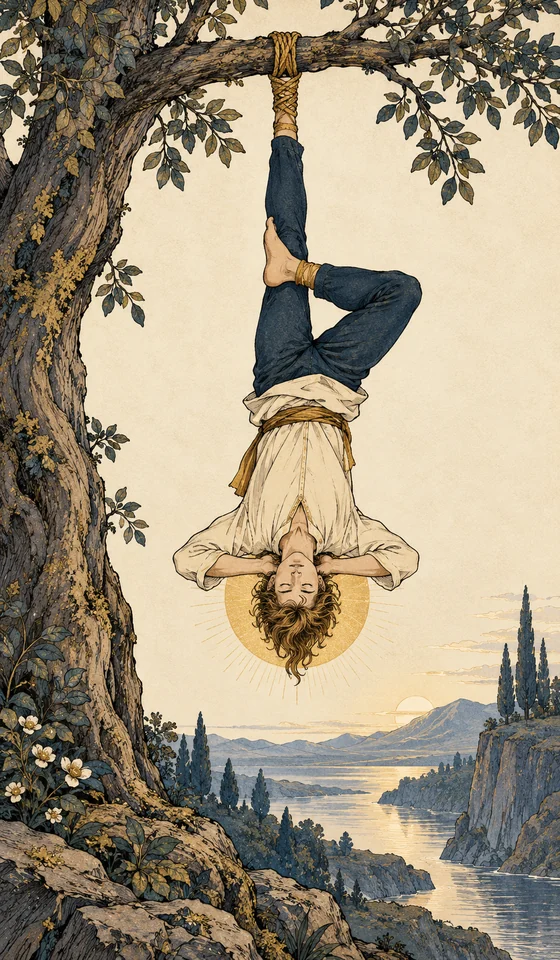
- 12 · The Hanged Man — Pause · Perspective · Letting go.
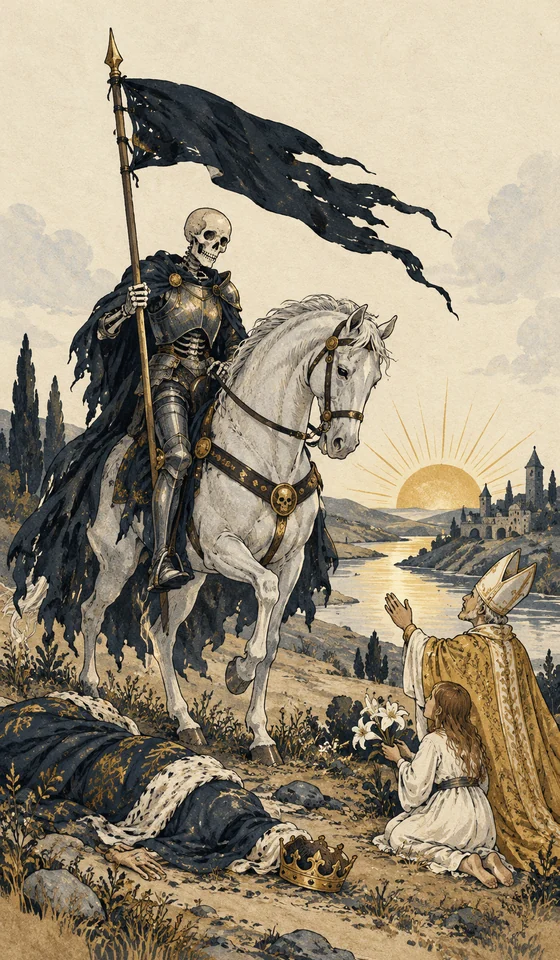
- 13 · Death — Endings · Transition · Release.
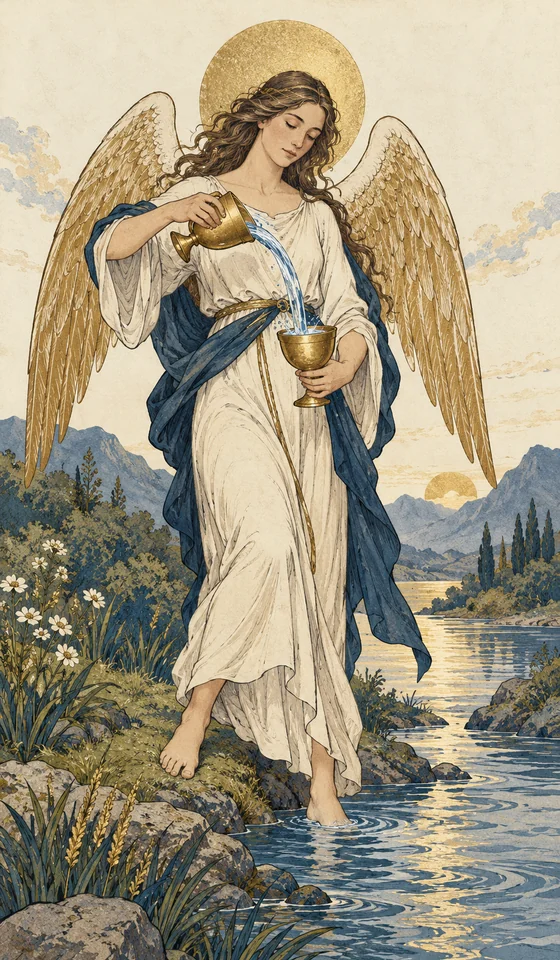
- 14 · Temperance — Integration · Moderation · Adjustment.
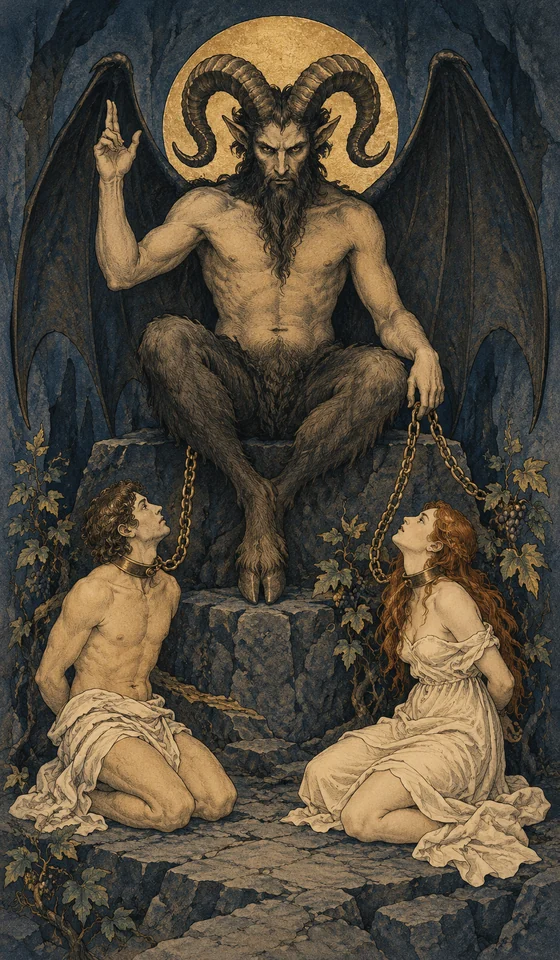
- 15 · The Devil — Attachment · Habit · Constraint.
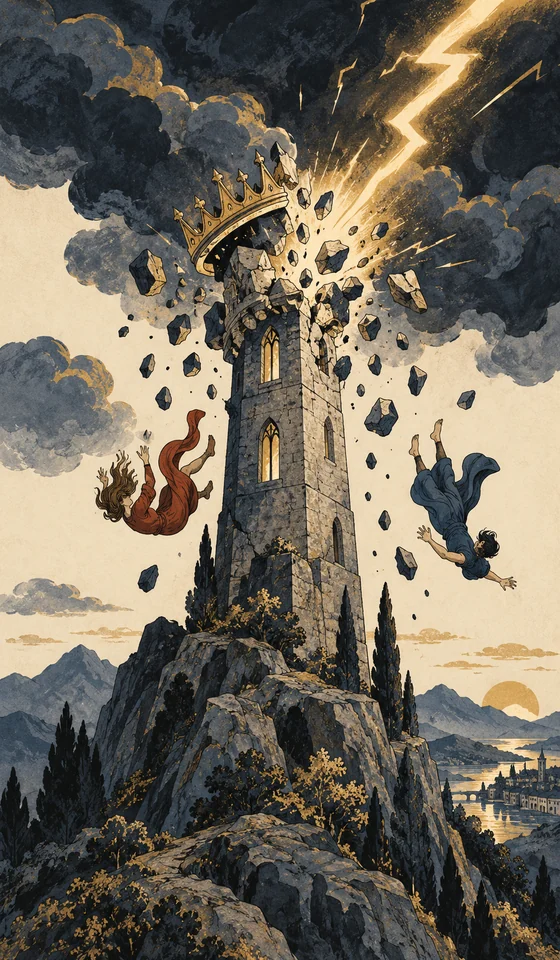
- 16 · The Tower — Disruption · Revelation · Rebuilding.
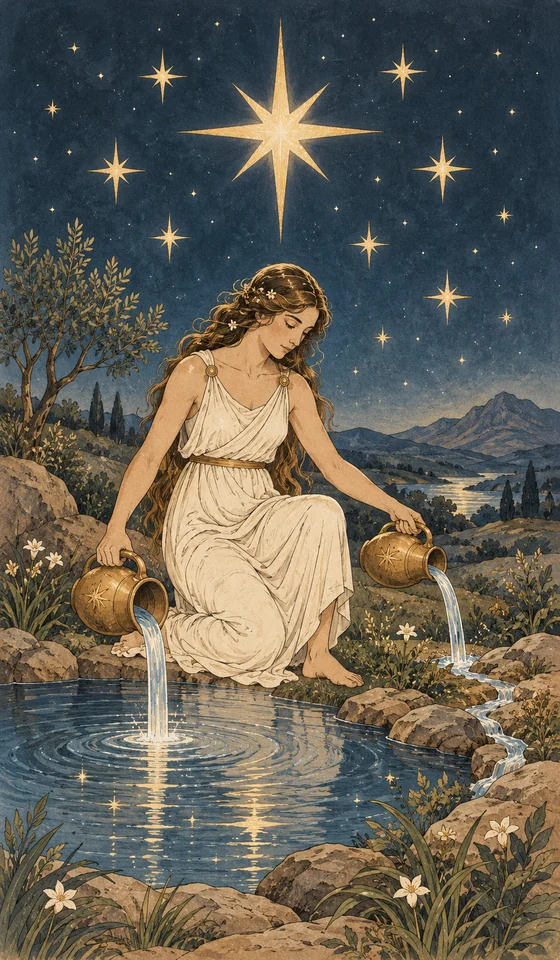
- 17 · The Star — Hope · Renewal · Perspective.
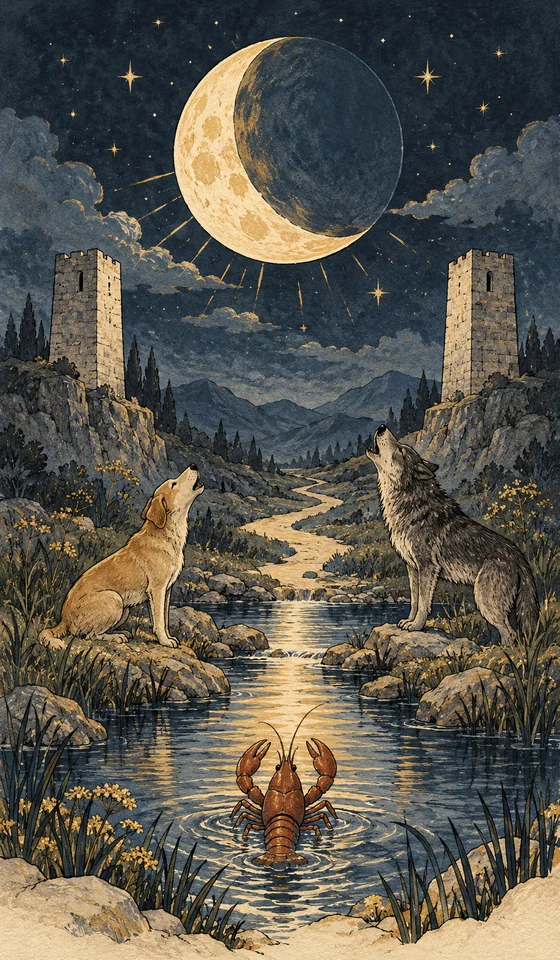
- 18 · The Moon — Uncertainty · Imagination · Ambiguity.
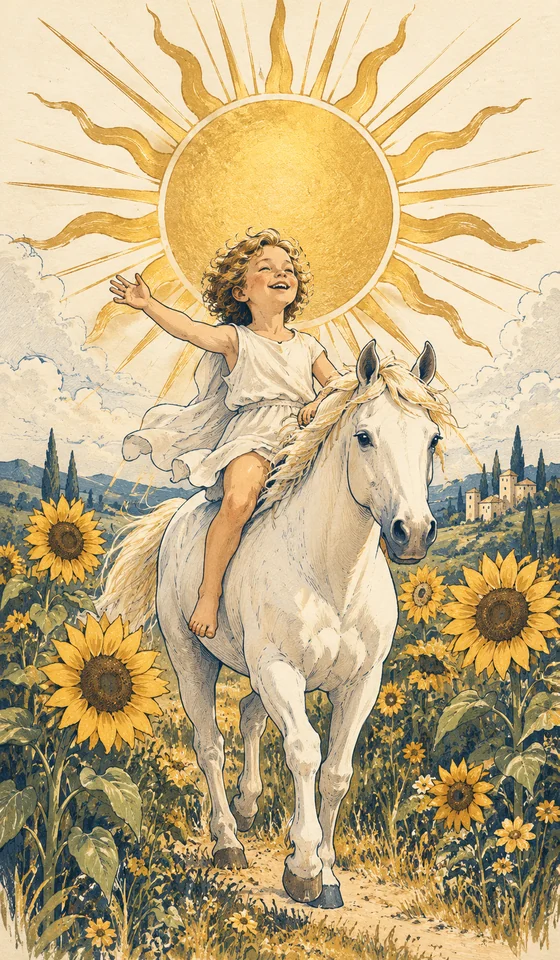
- 19 · The Sun — Clarity · Warmth · Enjoyment.
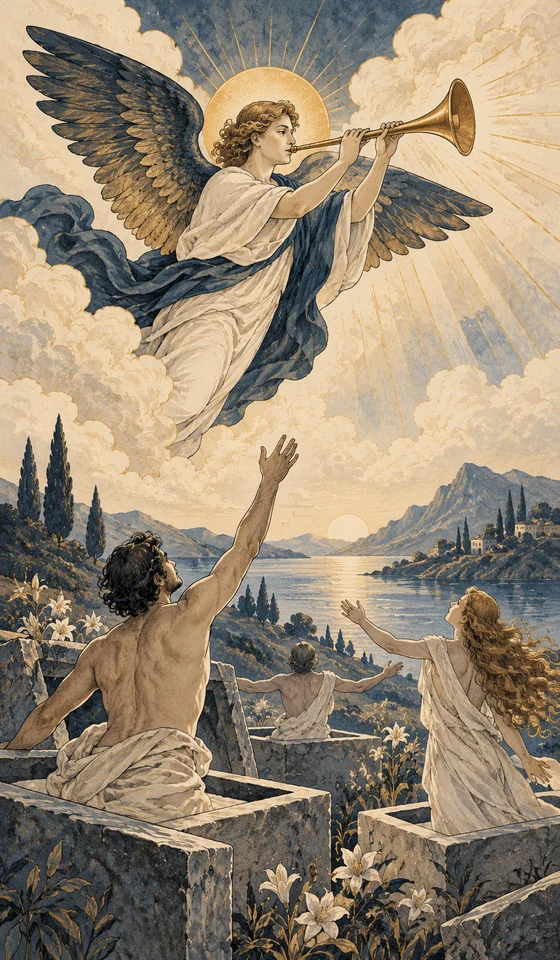
- 20 · Judgement — Review · Recognition · Response.
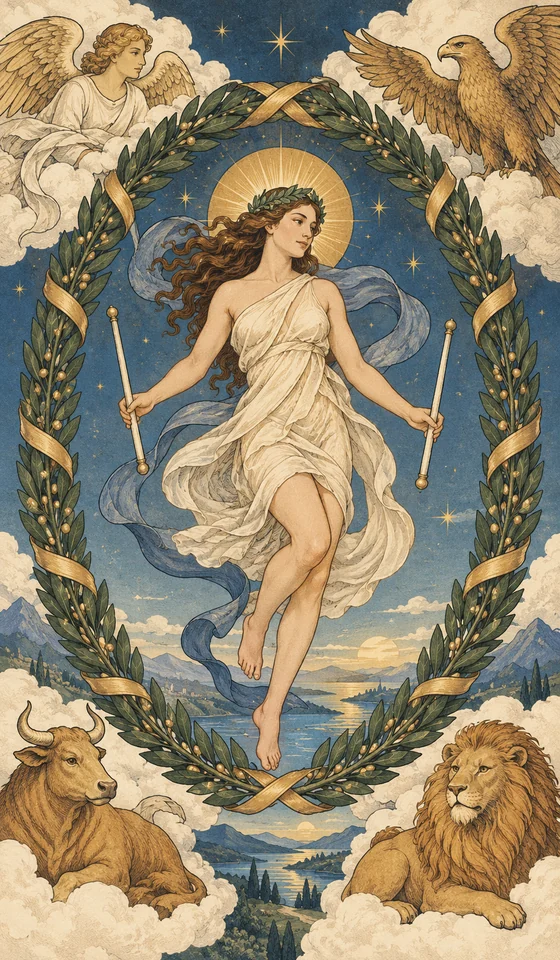
- 21 · The World — Completion · Integration · Participation.
Learn the sequence without memorizing a prediction
One teaching approach treats the sequence as a journey from a beginning to completion. You might compare The Fool’s openness with The Magician’s practical resources, or The Emperor’s structure with The Hierophant’s shared instruction. These connections make a study framework, not a historical claim that every reader follows one story. Real experiences do not have to occur in the order of the cards.
Choose one illustration and describe three visible details before reading its interpretation. Next, compare the upright and reversed explanations. Write which part fits your question, which part does not, and what other explanation remains possible. The goal is to make your reasoning visible instead of treating a memorized keyword as the complete answer.
Upright and reversed interpretations
A reversal can suggest a theme that is blocked, excessive, inwardly experienced or beginning to change. It does not automatically turn a helpful card into a harmful one. Readers also differ on whether they use reversals at all. Start with the reversed-card guide and apply one stated approach consistently during a practice session.
Reading Major Arcana in a spread
Position matters. Strength in a challenge position might ask how pressure affects your response; in a next-step position it might invite a patient but firm conversation. A card in a future position is used here to explore a possible direction, not establish a fixed event. Try a one-card spread before combining several cards in a worked example.
One named visual tradition
The Quiet Lantern illustrations are original AI-assisted drawings made for MystLume using RWS learning symbols. They are not historical scans by Pamela Colman Smith. Other traditions, including Marseille, can use different imagery and numbering, so compare traditions explicitly rather than silently replacing one with another. Our methods and sources distinguish historical references from modern teaching interpretations.
Return to all 78 card meanings to compare the Major Arcana with the four suits, or start a practice reading.