
How to start learning tarot
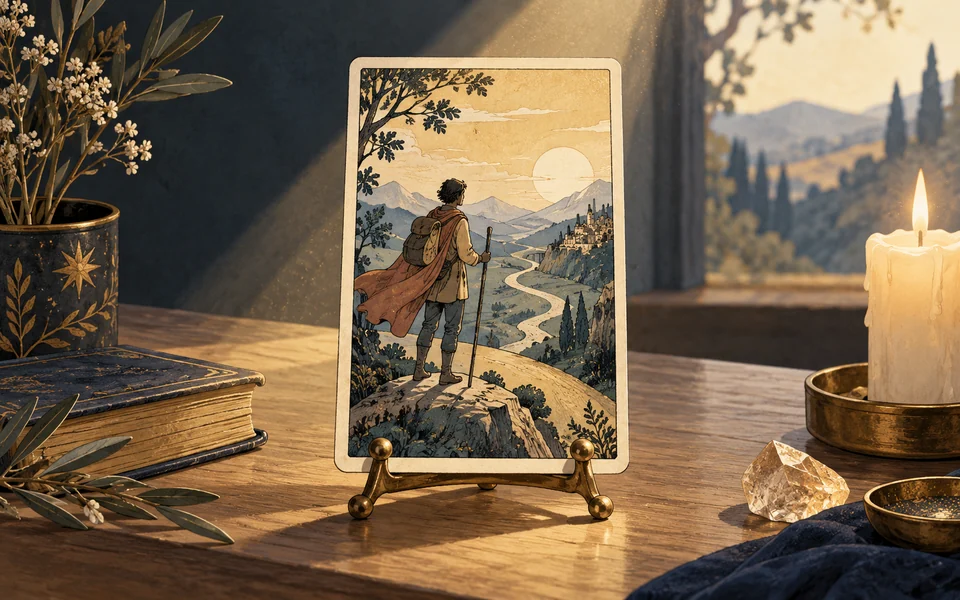
Start with one card and a question you can act on. Describe a visible detail before looking up its meaning: a figure's posture, the direction they face, or an object they carry. Then explain how that detail relates to your question. This gives you a reason for an interpretation instead of a keyword to memorize.
Our beginner reading guide takes you from a question to a written interpretation. Follow it with the one-card spread and save a short note about what you observed. You can add more cards once the connection between image, question, and position feels clear.
Choose a tool for the task
Use the 78-card library when you want to compare upright and reversed meanings or check an RWS symbol. The 22 Major Arcana pages offer longer explanations and examples. The four Minor Arcana suits and court cards are also available in the library.
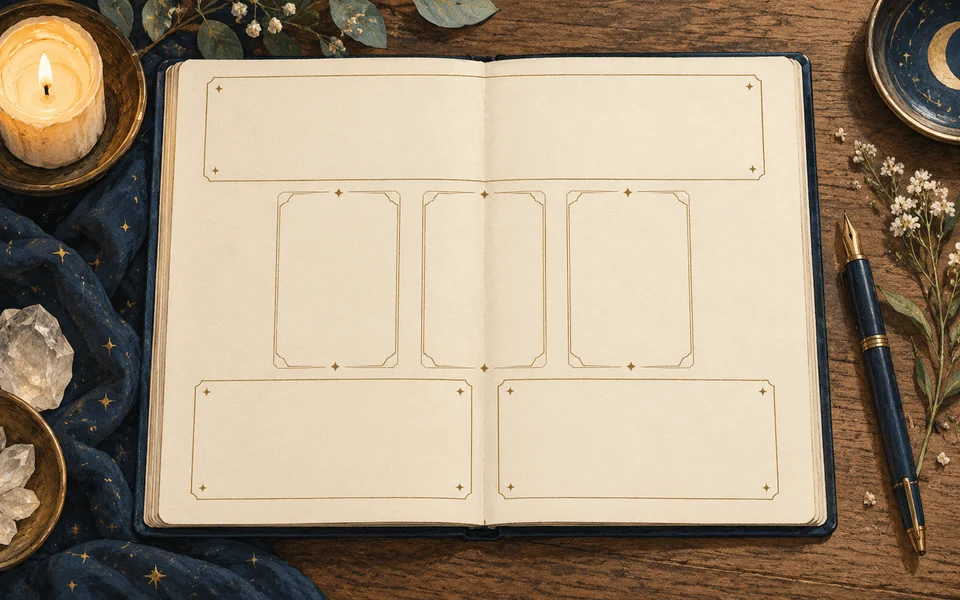
Open tarot practice to draw a one-card or three-card spread, or enter cards from your own deck. Use the reading journal when you want to revisit an interpretation and add a follow-up. Notes stay in that browser; exporting a backup gives you a separate copy.
Move from single cards to connected readings
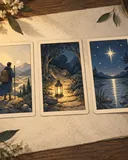
In a three-card spread, positions give each card a different job. A card in “challenge” needs a different explanation from the same card in “next step.” Write those roles down before drawing. The worked reading example shows how to connect the positions without turning three keywords into a fixed prediction.
When you are stuck, return to the question and the visible image before adding another card. The guides below cover reversals, clarifying cards, suits, court cards, and journal habits. Choose the question that matches your current difficulty; you do not need to read every guide before practising.
What these meanings represent
MystLume uses the Rider–Waite–Smith tradition. Card meanings are interpretive possibilities within that tradition, not evidence about another person's thoughts or a guaranteed outcome. A useful reading leaves you with an explanation you can examine and a next step you can choose. Our methods page sets out the tradition and learning scope.